


| Issue |
Aquat. Living Resour.
Volume 39, 2026
Special Issue - Small pelagic fish in changing social-ecological systems
|
|
|---|---|---|
| Article Number | 15 | |
| Number of page(s) | 15 | |
| DOI | https://doi.org/10.1051/alr/2026007 | |
| Published online | 12 June 2026 | |
Original Article
Eating fish in the age of anthropogenic climate change: imaginaries and sociogenesis of representations of changes in fish quality
1
Audencia Business School, 8 Route de la Jonelière, BP 31222, F-44312 Nantes, France
2
Institut de Recherche Médias, Culture, Communication et Numérique (IRMECCEN EA 7546). Université Sorbonne Nouvelle, 8 Avenue de Saint-Mandé, F-75012 Paris, France
* Corresponding author: This email address is being protected from spambots. You need JavaScript enabled to view it.
Received:
17
September
2025
Accepted:
6
May
2026
Abstract
In the short term, climate change is forecasted to affect fish quality by decreasing omega-3 reserves, thereby impacting human health. Together with scientific uncertainties, climate change imaginaries are diffused among the public, who struggle to make sense of them and imagine the consequences for their own diets. Our study scrutinizes the sociogenesis of representations associated with changes in fish food that are not visible for nonexperts, using an extensive, qualitative study based on semi-structured interviews with consumers. After a thematic analysis related to the imagined impacts of climate change on fish, we analyzed the anchoring process of representations in scrutinizing the role of food antinomies through three categories of fish eaters (traditional, nutrient-oriented, and ecology-oriented) that emerged from the interviews. The results indicate that preexisting food antinomies allow sorting out significant/nonsignificant climate change imaginaries and guide the anchoring process in reducing the psychological distance of climate events while making more concrete their impacts on fish food for consumers. This study contributes to bridging theories on food antinomies, imaginaries – as cognitive resources for envisioning wider changes – and social representations – as cognitive processes for anchoring the “unknown” and turning it into more significant correspondence with food materiality. Our study provides key insights for shaping more integrated health policies that address the combined challenges of marine climate change and nutrition, while water-centric communication can help the public grasp the links between ocean and human health.
Key words: Climate change / fish / imaginaries / social representations / food antinomies
Handling Editor: Victor Frossard
© G. Debucquet and E. Masson, Published by EDP Sciences 2026
 This is an Open Access article distributed under the terms of the Creative Commons Attribution License (https://creativecommons.org/licenses/by/4.0), which permits unrestricted use, distribution, and reproduction in any medium, provided the original work is properly cited.
1 Introduction
Anthropogenic climate change brings together ideas about climate upheavals and impacts of human activities (Crutzen and Stoermer, 2000). Beyond being a major threat to food security, it also challenges the way the public conceives their diet in a close or distant future. Due to psychological distance (Fielding et al., 2014), people actually struggle to form concrete associations with certain aspects of climate change (Spence et al., 2012; Leviston et al., 2014). The psychological distance results from the lack of knowledge, a lower concern about scientific uncertainty, lower appropriation and a lower degree of perceived control regarding distant environmental issues with potential socially far effects on their diets (Michel-Guillou, 2014; Guillard et al., 2019; Lemée et al., 2019; Wei and Peng, 2024). However, emerging “climate change imaginaries” (Wright et al., 2013) can be seen as cognitive resources to envision the future or as “the transcendental condition of the thinkable and the representable” (Translated) (Poirier 2003, p.391). In the context of increasing food shifts for more sustainable consumption, it is of interest to clarify how people handle climate change imaginaries to form some representations of the effects of climate change on their diets, especially when these effects are nonvisible for nonexperts or out of the scope of the sensitive experience.
Regarding insidious changes in ecosystems, the case of omega-3 long-chain polyunsaturated fatty acids (n-3 LC-PUFAs) availability stands as a particularly illustrative manifestation of climate upheavals. Changes in fish composition are forecasted, notably a decrease in the omega-3 content of fatty fish, as the result of climate-mediated changes in the availability of essential fatty acids (e.g., from microalgae), which are required by fish as components of hormones and cell membranes (Litzow et al., 2006). Over the past two decades, many fatty fish stocks have declined in size and fat content (Brosset et al., 2025), and some of these stocks are also overexploited (Sharma et al., 2025). Combined with the increasing human population, that may lead to omega-3 supply insufficiency (Colombo et al., 2020). Marine foods are a source of omega-3 in eicosapentaenoic acid (EPA) and docosahexaenoic acid (DHA) forms, while earth foods, such as plant-based oils, contain omega-3 in alpha-linolenic acid (ALA) form (Twining et al., 2016). All these forms are major components of cell membranes and play a key role in numerous vital functions (e.g., cerebral, cardiovascular, and immune functions) (Siriwardhana et al., 2012). However, EPA and DHA are the most beneficial. For humans, small pelagic fish, as fatty fish, constitute a major source of omega-3 in their EPA and DHA forms, necessary to maintain vital functions. In the worst-case scenario, DHA availability could decline to levels where 96% of the global population may not have access to sufficient DHA (Colombo et al., 2020).
In the socioeconomic field, since the 1990s, intense communication around the health benefits of omega-3 by public authorities, combined with marketing efforts to enhance nutrition and health claims on food packaging, raised consumer awareness (Masson et al., 2016). The presence of claims about omega-3 on tins of sardine contributes to market segmentation and is likely to attract both price-sensitive consumers and health-oriented consumers (Binet and Daures, 2025). However, although there is an improvement in consumers’ nutrition literacy, processing nutritional information in food choices remains difficult and confusing (Grunert et al., 2012). In the case of omega-3, many consumers actually do not make a clear distinction between the different forms of omega-3 (Masson et al., 2016), sometimes preventing them from benefiting from small fatty fish, like sardines, which are EPA/DHA-rich fish and affordable. Moreover, food choices usually bring together rational information and sociocultural patterns, which influence food preferences and trade-offs between taste, pleasure, health, or environmental considerations (Debucquet et al., 2023). In the context of climate-mediated changes in EPA and DHA availability, it is of interest to understand the sociogenesis of the representations of the ongoing changes that could affect food choices and, thus, human diets and health.
Finally, the case of fish and its omega-3 content is of conceptual interest because its consumption culturally carries a set of food antinomies – that is, oppositional systems we often rely on to make sense of food, such as, for example, healthy–unhealthy and good–bad–. The evocations surrounding fish reactivate more specifically the “good fat/bad fat” opposition whose sociocultural roots lie in the Cristian opposition between fish and meat. While these food antinomies continue to shape, often unconsciously, consumption choices regarding animal-based foods, little is known about how such common-sense antinomies might be challenged by the decline in fatty fish “good-fat” content, particularly omega-3s.
Hence, our objective was to inquire how some imagined impacts of climate change in marine life can be turned into meaningful representations of food changes. Based on an extensive qualitative survey of fish eaters, the results highlight how a set of preexisting food antinomies plays a major role in the representation-building process (Jodelet, 1998) in reducing the psychological distance of climate events while making more concrete their impacts on the marine resources. Finally, our study examined the conceptual relationship between climate change imaginaries, food antinomies, and sociogenesis of representations.
After the literature review bridging climate change imaginaries and the sociogenesis of representations, we present our qualitative approach. Results and the discussion section explore the role of imaginaries in making sense of impacts of climate change on marine foods, more specifically when changes are not immediately visible for nonexperts. The implications section explores the scope of more integrated health policies that address the combined challenges of marine climate change and nutrition and how they could improve consumer awareness and enhance sustainable fish consumption. Then, the conclusion addresses the limits and further research.
2 literature review
2.1 Climate change imaginaries
While climate change and the forecasting of its effects on terrestrial and marine ecosystems have been put on the agenda of the world scientific community, the understanding of the entanglement of causes and impacts still stays out of reach of nonexpert citizens (Saulais and Espougne, 2024). If they felt concerned, this prevents them from taking effective actions to mitigate negative consequences. Furthermore, laypeople tend to associate climate change with global warming and its dramatic consequences (such as storms, deforestation, ice melt, and coastal flooding) rather than causes, which are highly made visible by the media (Michel-Guillou, 2014). The intangibility of some complex mechanisms underlying climate change promoted the emergence of imaginaries (Levy and Spicer, 2013), but little is known about how people actually use them in making sense of distal and uncertain changes (Fielding et al., 2014).
Climate change imaginaries, which have spread through society over the last decades, fuel common sense and lead to the genesis of representations, with opposing citizens envisioning climate change as a myth and others convinced it is a problem (Levy and Spicer, 2013). Levy and Spicer defined climate imaginaries as “shared socio-semiotic systems (of cultural values) that articulate and structure a field around a set of shared understandings (of the climate) that provide a sense of coherence and link actors into a network around the issue” (p. 660). With apocalyptic and dystopian imaginaries, citizens can find stimulating resources to not only question their own engagement with political issues but also, in their everyday life, reimagine their practices (Strauss, 2015).
Levy and Spicer identified four imaginaries allowing for a wider understanding of the fragility versus resilience of the natural environment and of the radical versus incremental ways of change: “fossil fuels forever”, “climate apocalypse”, “technomarket”, and “sustainable lifestyles”. While they explored the role these imaginaries play in contention over responses to climate issues by institutional and private organizations, this analytical framework can be helpful at an individual level to understand how citizens mobilize more or less consciously these climate change imaginaries or others to compensate for a lack of knowledge (Michel-Guillou, 2014). In our case, exploring these imaginaries can help to understand how laypeople build representations of invisible changes in marine ecosystems, which are distant to “terrestrials.” The individual-level—oriented perspective allows focusing on more meaningful and closer topics (e.g., marine foods) to nonexperts and then mitigating the norms around social representations of climate change (van der Linden, 2015).
2.2 Sociogenesis of representations: the role of preexisting food antinomies
Moscovici (1961) and Jodelet (1998) defined social representations as forms of knowledge having their autonomy, influencing practices reciprocally, and whose genesis must be related to ordinary life and social group identities. Analyzing the sociogenesis of representations means understanding them as a dynamic phenomenon that expresses social and practical knowledge while being embedded in a broader sociocultural, historical, and political context (Kalampalikis and Apostolidis, 2021). Studying the dynamic or the sociogenesis of representations is particularly relevant when the representational object is complex and systemic (Kalampalikis and Apostolidis, 2021) when perceived as distant or because of a distancing process in reaction to scientific uncertainty. Then the question to address is how the representations are formed over time and with what cognitive resources. Alongside knowledge and personal beliefs, shared imaginaries can be used, more or less consciously, as an interpretative frame (Roux-Rosier et al., 2018) to elaborate representations of a distant or invisible object. Augustine et al. (2019) defined imaginaries as “the pervasive and often unarticulated backdrop to more tangible knowledge, norms, and institutions” and as elements that “provide a moral orientation and epistemological underpinning of reality” (p. 1936). Within the theoretical field of social representations, the study of ordinary thought requires operationally analyzing the meaning and filter (Apostolidis, 1994). The filter expresses the “anchoring process” of the meanings associated with an object into the “already there” framework (Moscovici, 1961, 1988). Thus, the analysis of the sociogenesis of representations in their early stages has a twofold objective: (i) identifying how people rely on imaginaries in their narratives to give significance to non-immediately visible objects and (ii) capturing the social meanings assigned to the representations through the “anchoring process” within the implicit antinomies in common sense (Marková, 2015, 2017).
Implicit oppositions or antinomies from common-sense thinking have often been placed at the heart of social representations (Marková, 2015, 2017), including in the case of climate change representations (Smith and Joffe, 2012). However, the role of antinomies1 in the relationship between imaginaries and representations – at the earlier step of their sociogenesis – remains unclear. Addressing this point requires an investigation through concrete antinomies by exploring their content and reality in individuals’ minds (Marková, 2015). As social representations of seafood have been historically constructed around numerous oppositions, we will exemplify our theoretical questioning by scrutinizing them.
For a very long time, aquatic creatures remained poorly known because they are not immediately visible to “earthlings” and nourished ambivalent representations, both fascinating and repulsive, in light of the land-sea antinomy, and still today for French people, who, although they have access to a long coastline, are above all “land lovers” (Geistdoerfer, 2007). The average consumption in France is 33.9 kg of fish and seafood/capita/year; that is a fairly high consumption, although lower than in Portugal (55.9 kg) or Spain (45.2 kg) (European Market Observatory for Fisheries and Aquaculture, 2017). Finally, important contrasts are observed in France between the coastal fringe and the inland (INCA 3, 2017).
Furthermore, representations of fish food have been early thought through the fish-meat antinomy due to the binary prescriptions of Roman Christianity distinguishing “lean foods” (days of Lent) from “fatty foods” (days of carnage) (Vialles, 1998). This symbolic devaluation of fish has been partially eclipsed since the 1990s through the health dietary discourse and its “good fat”–“bad fat” antinomy, promoting the “good fat” (omega-3) of fish for human health (INCA 3, 2017). Today, social representations combine the idea of health, lightness, and gustatory pleasure. Recent studies have also demonstrated the reality of the lean fish-fat fish antinomy in consumers’ minds but with contrasting knowledge of fish species and their nutritional quality (FranceAgriMer, 2020). Lastly, in the context of the necessary food transition to reach the carbon emission goals (Willett et al., 2019), fish has been valued again as a “transitional food” for meat eaters who desire to commit to a meat-reduced diet without enduring a draconian, vegan, or vegetarian regime (Mullee et al., 2017).
Regarding our conceptual research objectives, the large set of food oppositions provides a framework for analysis of the theoretical role of antinomies in the conversion of climate change imaginaries into more concrete representations.
3 Material and methods
This study involved semi-structured interviews with French consumers. Interview transcripts were subjected to thematic analysis (TA) (Braun and Clarke, 2019). TA enabled the identification and quantification of common themes relating to climate change in marine environments while allowing concrete analysis of the ongoing representational process associated with climate change imaginaries and its impacts on fish (Moscovici, 1961). Moreover, this qualitative approach enabled deriving some contrasting representations, according to respondents’ demographic profiles and their relation to marine food and ecology. This social sciences study was part of an international research “OMEGA project” directed by a French research team focused on fishery resources.
3.1 Participants and profiling process
We used purposive (Chein, 1981) or purposeful (Patton, 2015) sampling, as our objective was to grasp contrasted anchoring processes, depending on interviewees’ profiles. We interviewed 33 French persons, considering the usual demographic criteria (gender, age, and professional occupation), geographical location (coastal or inland area), and food profile (Tab. 1). In the context of increasing awareness about the contribution of animal-based food to green gas emissions, alternative diets to omnivority have led to a decrease in meat, fish, and dairy product consumption, with fish being rather specific in the sense that some declared vegetarians stop eating meat but continue eating fish with moderate dissonance (Ioannidou et al., 2023). According to a national French cohort study, 95% of the participants were omnivorous or flexitarian, followed by pesco-vegetarians (1.59%), vegetarians (1.39%), and vegans (1.02%) (see Rabès et al., 2020). Regarding participant selection, we ensured a good balance between omnivorous (no eviction) and alternative diets, gathering together flexitarian (decreased meat consumption), vegetarian (no meat and no fish), pesco-vegetarian (no meat but fish sometimes), and vegan (no animal-based food).
We identified the participants’ relation to fish food after the interviews, as it was impossible to obtain this knowledge prior to recruitment (Fig. 1).
First, we carefully read each interview transcript, taking special note of expressions within the corpus of three major themes – “consumption habits”, “relation to fish”, and “fish and health effects” – identified through TA (see Section 3.3, Appendix A). Second, co-authors shared their reading and discussed to define, accordingly, each respondent’s profile. Hence, we characterized ex post the respondents as traditional, nutrient-oriented, or ecology-oriented fish eaters (Tab. 1 and Supplementary Material S1). The traditional fish eater values fish as a “light” food, in opposition to meat as a “heavy” food, while associating fish consumption with pleasure, taste, and freshness. In contrast, the nutrient-oriented fish eater is clearly interested in positive nutrients in fish and their health benefits, such as phosphorus, magnesium, and, overall, unsaturated fatty acids perceived as “good fat”, in opposition to the “bad fat” of meat from terrestrial mammals. Lastly, the ecology-oriented fish eater is characterized by their high concern for the depletion of marine resources and a lack of regard for fish animality and suffering. Logically, this profile tends to reduce strongly or avoid any fish consumption while identifying plant-based substitutes.
Finally, our sample indicates a good balance regarding the type of residence, professional occupation, and diets (omnivorous versus alternative diets) but a slight overrepresentation of females versus males and ages 18–30/46–55.
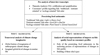 |
Fig. 1 Methodological design. |
Characteristics of the total surveyed population (N = 33).
3.2 Data collection and materials
The interviews were conducted face to face (physically or videoconference). They lasted between 1.5 and 2 h and were recorded. Prior participant consent and institutional ethical approval were obtained. Participants were informed that their data would be anonymized, and they were free to answer some questions. The interview guide, which contained open-ended questions, was structured around four major themes: (i) the spontaneous meaning of fish consumption, (ii) the perceived benefits of fish consumption for health, (iii) the knowledge about omega-3 and fish species, and lastly, the main part, (iv) the imagined changes in the marine environment.
3.3 Analytical procedure
All in-depth interviews were fully transcribed, and a reflexive TA (Braun and Clarke, 2019) was performed using Atlas.ti 22.0. This software allows the codification of qualitative data in themes and subthemes and produces their statistics through the textual corpus. Our analysis resulted from a “deep and prolonged data immersion, thoughtfulness, and reflection” (Braun and Clarke, 2019). Thus, co-authors strongly engaged together in the rigorous codification and discussed the wording of each theme and subtheme as patterns of shared meaning (Braun and Clarke, 2019). We identified four main themes, “consumption habits and environmental concern” (13.1% of total classified text segments), “relation to fish” (40.7%), “fish and health effects” (26.2%), and “perceived environmental changes in the marine area” (20.1%), with a total of 209 subthemes (see Appendix A).
To grasp the meaning of our qualitative data in line with our research perspective of bridging climate change imaginaries and the ongoing representational process of impacts in the marine environment, a twofold analysis was undertaken: a transversal analysis (macro level) and a consumer profile—based analysis (micro level) (Fig. 1).
3.3.1 Transversal analysis: imaginaries of the global impact of anthropogenic climate change in marine life
For this step, we explored three themes from our TA related to global environmental changes in the marine environment: “climate and environmental perturbations”, “food issues for fish”, and “fish population depletion” (See Appendix A). We conducted a transversal analysis of textual data to grasp all the congruent evocations, which all together enabled the identification of some imaginaries. Each image was depicted through its global feature and then through the potential big changes in fish species, marine life, or, more broadly, ecosystems, as envisioned by the respondents.
3.3.2 Consumer profile—based analysis: role of preexisting food antinomies in the building of representations of the impacts in fish quality
For this step, we explored six themes from our TA that delivered a wide range of perceptions of fish food – in particular, the perception of their current quality combined with the imagined future evolution in the context of climate change: “health value of fish”, “provision of omega-3”, “fish versus meat”, “concern for fish origin”, “expected trend in the evolution of overall quality of fish”, and “awareness of fish categories” (see Appendix A). We conducted an analysis of the anchoring process of representations and the role of the preexisting food antinomies in the imagined changes, visible or invisible, in fish species. To achieve this goal, we considered the fish food—related profile of each respondent (traditional, nutrient-oriented, and ecology-oriented) and analyzed how each profile was making sense with some climate change imaginaries. To proceed, we reconstructed the anchoring process by using three ideal types, allowing the interpretation of the social reality through “pure” models, a subject being only more or less “close” to an ideal type (Weber, 1965, 1956). Thus, each of these three ideal types helped us to illustrate how food antinomies play a filter role in the building of representations.
4 Results
4.1 Imaginaries of the global impact of anthropogenic climate change in marine environment
We identified five imaginaries that bring together ideas of climate upheavals and direct impacts of human activities in marine life (Tab. 2).
“Abiotic sea”, “dysregulated sea”, and “dump sea” are the more dystopic imaginaries, while “unspoilt sea” and “resilient sea” indicate a more optimistic vision of the future.
Abiotic sea: apocalyptic view of nonreversible evolution
The abiotic sea imaginary sounds like an apocalyptic distant future due to unprecedented and rapid changes:
If the water quality changes, I think it could lead to extinction of species; otherwise, the species have to get used to it quite quickly. Now, if the change is too sudden, I think the animals won’t have time to get used to it. (Ent_23_conso_M1).
This species loss comes from radical changes in the natural habitat of fish, combined with the decreasing availability of food due to “the overfishing that dragged the bottom” and human waste materials (see Supplementary Material S2 for additional quotes):
If seawater becomes less salty because of melting ice, for example, I imagine, like if you put a sea fish in a lake or a river, it just can’t live. So, I don’t know exactly in its body what makes it incompatible, but we know that it is incompatible. (Ent_28_conso_M1).
In the interviewees’ mind, all these radical changes irreversibly infringe on species reproduction and lead to “a sea that is dying”:
Soon, there may be no more animal life in the oceans. Resources are diminishing, and so is animal and plant diversity. But then it’s all over the world, but even more so in the ocean. The ocean is still the lungs of the earth too. (Ent_7_conso_M1).
Dysregulated sea: disorder and weakening of self-regulation mechanisms
The dysregulated sea imaginary is characterized by the risk of unbalanced phenomena and increasing disorders in the food chain – leading both to depleted species and invasive species, the latter being frequently illustrated by the highly newsworthy case of the proliferation of algae:
If we no longer allow fish to eat what they ate before, we will ultimately unbalance the entire chain ( . . .). I don’t know what they eat – for example, algae. But you see, well, there will be too many algae, whereas the fish or mollusks could have eaten the algae. Suddenly, we find ourselves invaded by algae. (Ent_20_conso_M1).
This proliferation of opportunistic species results from human activities and their contribution to sea warming:
Well, with carbon dioxide, acidification . . . there is already the warming of water – which will impact all living species, the entire food chain. ( . . .) There are potentially species that will benefit from it, but it will seriously disrupt a food chain that is built over millennia. (Ent_28_conso_M1).
Lastly, “dysregulated sea” was often described by interviewees like a symptom of the dysregulation of “a greater whole where everything is linked”:
If the Gulf Stream really decreases in intensity, it will change the temperatures. So, any impact on the oceans will clearly have an environmental impact on the continents, and obviously, if you have pollution in the sea, it is found in fish,and inevitably on our plates. (Ent_23_conso_M1).
Dump sea: anthropic place for human waste material and leisure activities
The last dystopian imaginary is “dump sea”, which definitively would become an anthropic place for human waste material and leisure activities:
There are more and more boaters. There are those who pay attention and avoid diesel engines, but most don’t care and throw their trash cans into the sea. Those who go to sea on a daily basis are more careful than those who spend leisure time. (Ent_13_conso_M1)
Here again, the images of a “plastic sea” that have been highly newsworthy in the last few decades emerged frequently, with the dramatic consequences being imagined:
Everything plastic; plastic is a disaster. The seventh continent, in plastic. It’s deteriorating little by little; it’s really polluting the sea. And then obviously, we’re talking about the fish, which absorbs it afterwards. (Ent_13_conso_M1).
Unspoilt sea: sustainable consumption of marine resources
Some more optimistic futures arose from the interviews. By reducing waste, consuming “less but better” or allowing decreased pressures on marine species, there is still hope of revival of food resources for fish and their reproduction.
Well, the wild fish feeds on smaller fish that started from plankton. Yeah, it’s the most natural chain there is. That tends to reassure me. I prefer to eat less so that we preserve the species. For a long time, I ate almost no more bluefin tuna, even though I love it. And for some time now, there has been bluefin tuna reappearing in the Mediterranean, so I allow myself to eat some more. (Ent_28_conso_M1).
This sustainable consumption of marine resources was often associated with the need to respect the animality of marine beings:
Things like “seafood products” and “products”, that’s unwelcome. This is the ideology, the hegemony of big capital . . . All the living beings that are in the sea . . . they would perhaps have a specificity, which means that we could not exploit them the way we would sell vacuum cleaners! (Ent_2_conso_M1)
Hence, taking care regarding marine resources like any living beings is the first path to committing to sustainable fish consumption.
Resilient sea: adaptation and resilience mechanisms of living beings
Lastly, the resilient sea imaginary emerged from the data material by bringing together illustrations of potential adaptation and resilience mechanisms of living beings in highly polluted environments:
I think the fish will try to readapt to another climate, but I don’t know if that’s possible for all animals. Perhaps some will have this ability to be able to live in warmer seas. (Ent_27_conso_M1).
Some interviewees expressed their trust in the evolution of species to adapt to new environments:
Whatever happens, fish, like any animal, are also capable of adapting to their new environment. So either it adapts or it dies. And there are indeed species that risk no longer existing and others that will evolve. But after that, I think that it is the nature of the evolution of the universe and its inhabitants, including fish. (Ent_21_conso_M1)
Furthermore, some fish migration patterns were presented in parallel with human migration, like a strategy when the environment becomes unfriendly:
[On the subject of salinity] Well, a bit like us, those who aren’t really used to salt, I think . . . they have to change their habits and therefore look for another sea, finally move, in fact . . . It’s maybe that’s why we’re going to find fish that we’re not used to seeing in certain seas. (Ent_27_conso_M1).
Finally, regarding the depletion of resources, interviewees expressed their confidence in some corrective measures, such as regulations, taxes, or fish farming, to compensate for reproduction issues:
There are fewer and fewer fish and more and more wholesale fishing. But I have the impression that things are being regulated. There was the story of bluefin tuna around Marseille; we had to stop fishing for it. At some point, you have to stop overconsuming anything and stop fishing. And then, in fact, there is also breeding, which fishmongers do. (Ent_21_conso_M1).
To conclude, the results revealed the big features of five imaginaries associated with anthropogenic climate change. These imaginaries were considered through visible changes, often reported in the media, but they also contribute to the sensemaking of invisible changes. In both cases, interviewees relied on pieces of knowledge, beliefs, personal observations, and free imagination. In the next part, we will further deepen the sociogenesis of representations associated with changes when it comes to fish food.
Features of imaginaries of anthropogenic climate change in marine life.
4.2 Linking fish-eater profiles to representations of the impacts of climate change on fish quality
The previous imaginaries of anthropogenic climate change constitute the cognitive elements that allowed the sociogenesis of representations associated with the impacts on fish food. We present in this part the anchoring mechanisms of representations according to the three categories of fish eaters: traditional, nutrient-oriented, and ecology-oriented (Tab. 3, respectively, a., b., c.). Following Moscovici (1961)’s method, each table presents how the preexisting food antinomies (Column 1) influence the predominance of some imaginaries around anthropogenic climate change (Column 2) and the envisioned consequences on fish quality (Column 3). The anchoring mechanism results in the preservation, convergence, or dissonance with the preexisting food antinomies (Column 4).
Sociogenesis of the representations by the traditional fish eater
Consumers in this category (Tab. 3) were mainly omnivorous or flexitarian. They thought of fish in opposition to meat (marine origin versus terrestrial origin, bloody versus bloodless) and, ultimately, through the light food–heavy food antinomy:
I prefer fish to meat. It is much more digestible and lighter. I’m not so much for blood. Red meat, rare meat, well, it’s not bad, but it’s not my treat. (Ent_24_conso_M1)
By opposing the fish to the “visible grease around ham” (see Supplementary Material S3 for additional quotations), fish was perceived with lower fouling of the body than meat. However, nutritional considerations are not first:
[What does omega-3 mean to you?] Oil. It’s true that I believe that fish have it . . . I don’t know, it’s actually something that’s good. But I’m not very good at that, sorry. ( . . .) And that’s not why I eat more sardines. (Ent_21_conso_M1).
The dominant climate change imaginaries are, in a decreasing order, “resilient sea”, “dysregulated sea”, “dump sea”, and “unspoilt sea.” The interviewees considered fish to be species with adaptability skills: adaptation to changes in their habitat, survival to some forms of pollution, or responsiveness to migration routes but without “intrinsic” transformations of their flesh. While some interviewees highlighted a “slight change in taste” and expressed concern for pollutants, which “could clog [the] human body”, others highlighted the guarantee of the freshness as a major criterion:
No, plastic, I don’t think it will change the quality as long as the fish is fresh. (Ent_25_conso_M1).
Despite the concern for pollutants, fish is still an option for meatless days, with the condition of reducing the frequency of consumption and/or purchase of fresh fish from local fisheries:
I think it would be good for us to return to more reasoned ways . . . We must, therefore, find something more local again to try to consume things that we find close to home. (Ent_6_conso_M1).
The need to shift toward a more sustainable use of marine resources was evoked frequently.
Sociogenesis of the representations by the nutrient-oriented fish eater
Consumers in this category (Tab. 3) were mainly flexitarian and pesco-vegetarian and eat fish for their nutritional properties. First, the representations of fish relied on homology between sea properties and fish properties, the wilderness, and the life and purity characteristics of the sea, giving fish some properties conceived in opposition to the ones of products issued from farmed, slaughtered, and contaminated terrestrial animals. Second, these consumers emphasized the opposition of “good fats” (from fish) and “bad fats” (from meat) (see Supplementary Material S4 for additional quotations):
In fact, fat or grease is not necessarily harmful. It always depends on what fat . . . you are starting from. In terms of food, fat is also necessary. There are the famous polyunsaturated [fatty acids] . . . things that are better to eat than others. I know that fatty fish will always be less fatty than lean meat. (Ent_8_conso_M1).
The homological thought still helped consumers to relate sea properties and the nature of fat:
Salmon and trout contain more omega-3 because they live in cold waters. They need it, I think, for the fluidification of the tissues since they are in cold seas. They need fairly fluid fat, which is why they contain more omega-3, being more fluid. So, if they really only had saturated fats, the fish tissues would be frozen. (Ent_23_conso_M1).
For these profiles, fish is definitively a functional food bringing to the body healthy nutrients:
There are plenty of vitamins that are specific to seafood products and that we don’t necessarily have in meat: vitamin B6, vitamin D, vitamin A. (Ent_33_conso_M1).
The dominant climate change imaginaries are, in a decreasing order, “abiotic sea”, “dysregulated sea”, and “dump sea.” Interviewees perceived a homology between sea quality degradation and fish flesh degradation, with irreversible physiological changes that remain nonvisible but very damaging for human health:
Afterwards, maybe scientifically, if we analyzed the fish, we would be a little disgusted with what’s in them. We know very well that the seas are polluted by oil, by plastic, by many things. So obviously, when we look a little bit, we can realize that the fish are not necessarily as healthy as we might think. But these are things that are not necessarily visible, and in terms of taste, we don’t realize it. (Ent_13_conso_M1).
Beyond pollutant accumulation, these consumers expressed higher concern than the other profiles for the imagined change in fat composition, leading to higher bad fat or “grease” instead of good fat:
Clearly, it will change: it will change the texture and the quality of the tissues, the tissues of the fish in terms of grease, with much less omega-3. (Ent_23_conso_M1).
Consequently, all these changes in sea properties and fish composition create dissonance with the preexisting representations. Thus, in these consumers’ minds, fish food and especially fatty fish they are keen on are not so healthy:
Like sardines, they are fatty fish; they also store more junk, like mackerel. It stores more of everything that is hydrocarbons; it stores it in fats. Oily fish, as they store all the bad things, obviously, they are more impacted . . . Finally, we are more impacted when we eat them, especially. (Ent_13_conso_M1).
Finally, they expressed their strategies to go on eating fish, being aware of the importance of the lower threshold of pollutants in low trophic-level fish:
I no longer eat large fish, like tuna; I only eat small fish like sardines, mackerel, and herring. Compared to mercury, well, it’s a belief since they are smaller, so there you go; I reassure myself like that. (Ent_22_conso_M1).
Sociogenesis of the representations by the ecology-oriented fish eater
Consumers in this category (Tab. 3) were mainly vegan, vegetarian, or pesco-vegetarian and expressed ethical concern for the animality of fish like “any living beings.” Fish are “animals before food” for these consumers who strongly reduced or totally removed fish from their diet (see Supplementary Material S5 for additional quotes). For them, a plant-based diet can easily replace fish food:
Lentils are also an excellent source of protein for those who do not eat meat or fish! (Ent_12_conso_M1).
The dominant climate change imaginaries are, in a decreasing order, “abiotic sea”, “dysregulated sea”, and “unspoilt sea.” The interviewees expressed their concern for fish whose lives are in danger because of unprecedented dysregulations. In their mind, overfishing and even all fisheries are not compatible with marine resource preservation; they must stop to not eradicate sea life.
The stress of fish due to human activities and pressure on fish stocks was frequently evoked:
There will surely be places where the fish are stressed, and that results in poor-quality fish! It’s just like meat! If they live in places where they are stressed, obviously, the meat is not as good! (Ent_16_conso_M1).
Ultimately, the negative impacts of overfishing are congruent with the preexisting antinomy that valued plant-based diets or, occasionally, fish only from fisheries or fish farms that respect animal well-being:
For me, it is better to do a smaller and better-quality farm than something industrial ( . . .). The fish still have the right to be a little happy in his environment while he is alive ( . . .). Is is also up to us to ensure that the reserves do not become exhausted ( . . .). I mean, the fish don’t belong to us. We take what we need to feed ourselves. But no more. (Ent_23_conso_M1).
In conclusion, interviewees from our sample, depending on their relation to fish food and on the significance of climate imaginaries, elaborated different representations of changes in fish, their life conditions, and intrinsic qualities.
Representations of changes in fish quality for the three categories of fish eaters
5 Discussion
Our analysis identified five major marine change imaginaries (abiotic sea, dysregulated sea, dump sea, unspoilt sea, resilient sea) and the way they are mobilized by consumers to elaborate the representations of disturbances in marine resources. These key imaginative framings (Yusoff and Gabrys, 2011) of climate change in marine environments played an important role in the respondents’ representation processing due to limited knowledge regarding marine changes and fish species (Kochalski et al., 2019). Our theoretical goal was to understand the role of preexisting food antinomies in the relationship between imaginaries and representations at the early stage of their sociogenesis (Fig. 2). This is crucial for developing more effective consumer-targeted messages.
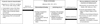 |
Fig. 2 Conceptual relationship between climate change imaginaries, food antinomies, and sociogenesis of representations. |
5.1 Climate change imaginaries and food antinomies: an epistemological framing
In line with Augustine et al. (2019), the climate change imaginaries highlighted in our study offer an unarticulated backdrop and epistemological underpinnings of the environmental reality while carrying cultural values pertaining to the marine environment. The dialectic relationship between imaginaries and food antinomies indicated that oppositions from common sense helped consumers to nonconsciously sort pervasive imaginaries. Not all climate change imaginaries turned out to be significant to each profile of eaters; the significant ones were those that provided higher correspondence with eaters’ reality and their relationship with fish and marine ecology. Our results demonstrated that the current social practices, knowledge, values, and beliefs regarding fish influenced consumers in discriminating, among climate change imaginaries, between valid and nonvalid meanings with respect to their view of the future of life in the marine world and of fish food. The current study suggests that imaginaries are cognitive resources for the sociogenesis of representations (Kalampalikis and Apostolidis, 2021), but their dynamic structuration depends on the different antinomies in a very early stage of the sociogenesis (Fig. 2).
5.2 Food antinomies and anchoring process of representations: making nonvisible changes more concrete
Alongside the global feature of the five imaginaries, respondents succeeded in building substantiated representations of the changes in fish quality. They varied depending on interviewees’ food profiles, who mobilized various lay conceptions of species adaptation, species migration, or biodiversity loss (Kochalski et al., 2019). In doing that, the “pervasive and unarticulated backdrop’ (Augustine et al., 2019) inherent to climate change imaginaries was converted into more tangible, concrete representations of changes in fish food. This anchoring process (Moscovici, 1961) allowed consumers to make sense of scientific uncertainties; it was driven by several food antinomies that have become established among French eater generations, but some are more significant according to varying idiosyncratic experiences (Marková, 2015). We found for the three profiles, traditional, nutrient-oriented, and ecology-oriented, the following antinomies: light foods-heavy foods, good fats-bad fats, and plant-based food—animal-based food, respectively.
From the sociogenesis perspective, food antinomies structured the anchoring process of cognitive elements from the climate change imaginaries and, in turn, were challenged by engendered representations, becoming reflexive antinomies (Marková, 2015) (Fig. 2). By making sense of the imagined impacts of sea warming and pollution on fish, the traditional fish eaters worked to preserve the light foods-heavy foods antinomy in the sense that they continued considering fish as light foods in comparison with meat (Feldman and Wunderlich, 2023). The ecology-oriented eaters found in the imagined depletion in marine resources some convergence with the plant-based food—animal-based food antinomy, notably the relevance of substituting fish food with plant-based foods. Lastly, the nutrient-oriented eaters encountered some dissonance with the good fats-bad fats antinomy, while fatty fish were de facto not so healthy due to some envisioned changes in their composition (pollutants, “good fats” becoming “bad grease”). They expressed their willingness to avoid eating big fish or from high trophic level, while looking at alternative sources of omega-3. Finally, reflexive antinomies strengthened the appropriation of cognitive elements from sea change imaginaries, somehow abstract and distant, by connecting them to familiar food routines. To follow Levy and Spicer (2013), climate change imaginaries are thus being turned, through food antinomies, into more significant correspondence to food materiality.
6 Implications for Integrated Health Policies
Our results offer valuable insights for the development of more integrated policies that address the intertwined challenges of marine climate change and human nutrition. Such policies could be shaped using integrative frameworks – such as the oceans and human health approach (Fleming et al., 2023; Lerner and Berg, 2017) – which explicitly link oceans conditions to human health in a changing climate. Several initiatives already move in this direction, including the European SOPHIE (Seas, Oceans, and Public Health in Europe) project and WHO policy briefs that connect oceanic sustainability directly to public health outcomes, in line with Sustainable Development Goal 14, “Life Below Water.” However, little is known about how the public understands these issues (Kochalski et al., 2019). Our study highlights the sociogenesis and complexity of non-experts’ representations of climate-driven changes in marine ecology. From the case of the projected decline in omega-3 content of fatty fish, it provides concrete avenues for strengthening more integrative policies.
First, due to the lack of knowledge about the importance of small pelagic fish in the dietary sources of EPA/DHA, there is a need to improve consumer nutrition literacy – through communication and/or education programs at school – while promoting more sustainable consumption practices within a holistic health framework (Kochalski et al., 2019; Innocent et al., 2023). Indeed, despite the abundance of nutrition and health claims highlighting the benefits of omega3-s on food front-of-pack labels, consumers often struggle to make sense of the intrinsic diversity of omega-3 forms and then to properly link them to their sources within ecosystems. An exception is the consumer we identified as a nutrient-oriented fish eater, who showed greater awareness of the EPA/DHA nutritional value of small pelagic fish.
Second, in the context of climate change’s adverse effects on the availability of EPA/DHA forms, integrative climate- and nutrition-related health policies could help sustain consumer awareness of emerging food vulnerabilities. The divergent framings of changes in fish fat content that emerged from the genesis of social representations, as shown in our study, call for a more eater-centric communication strategy that could be structured around our three categories of fish eaters. Such an approach could strengthen fish eaters’ cognitive ability to reconnect essential nutrients with their ecological contexts, both among nutrient-oriented fish eaters – whose healthy eating decisions are often shaped by personal rather than ecological considerations (Weibel et al., 2014) – and ecology-oriented fish eaters – e.g., pescatarians, rarely aware of the unintended consequences that replacing meat with fish can have on marine ecosystems–. This approach encourages moving beyond a narrow and anthropocentric framing of “nutrient needs” toward a broader understanding of nutrient reserves across terrestrial and marine ecosystems. These two profiles are likely to be more sensitive to the need to safeguard the nutritional value of fatty fish under changing climate conditions and to reduce pressures on stocks. By contrast, this message may resonate less with traditional fish eaters, whose food choices are primarily driven by taste and pleasure. Moreover, in line with Leviston et al. (2014), concerted efforts to frame the impacts of climate change in personally meaningful ways – focusing on cultural, social, or local impacts – can benefit collective response.
Third, providing the public with an indicator that tracks changes in fish omega-3 richness—as an “ecological marker” reflecting variations driven by climate change as well as non-anthropogenic factors such as seasonality – could be especially relevant to making more concrete gradual impacts of climate change on fish quality. Such information may strengthen consumer agency and support more sustainable fish consumption practices to preserve marine biodiversity and unsaturated fatty acid sources for human health.
7 Conclusions, Limitations, and Future Research
Our study drew on a sample of French consumers who continue to contrast fish with meat and for whom fish consumption reactivates structuring tensions between pleasure, lightness, and health. To complete our study on the relationship between climate change imaginaries and the sociogenesis of representations, further research may include contrasted samples of consumers, for instance, from a more fish-oriented food culture, such as the Portuguese, or located in the eastern European countries with no coastline, that is, with no physical experience with marine environments. In both cases, the individual appropriation of global changes is probably dependent on unexplored food antinomies that would be worth examining in depth. Further research could also adopt a longitudinal perspective. This would allow conceptually understanding how imaginaries and representations coevolve over time through iterative processes and, in turn, how reflexive antinomies can be strengthened or weakened by actual changes of food practices (Yusoff and Gabrys, 2011). As Yusoff and Gabrys (2011, p. 517) suggested, the “reimagining of climate (changes) as a social as much as a scientific event” requires diverting research attention from the mere scientific uncertainties and considering how lay people actually experience the issue and reshape their thoughts and practices.
Funding
This study was conducted within the broader interdisciplinary “OMEGA project”, which focuses on the effects of climate change on marine resources and seafood quality. It was supported by ISblue project, Interdisciplinary graduate school for the blue planet (ANR-17-EURE-0015) and co-funded by a grant from the French government (Program “Investissements d'Avenir” embedded in France 2030).
Supplementary Material
• Supplementary Material S1. Demographic data and food profiles of the interviewees
• Supplementary Material S2. Marine change imaginaries: additional supporting quotes from interviews.
• Supplementary Material S3. Representations of changes in fish quality by traditional fish eaters: additional supporting quotes from interviews.
• Supplementary Material S4. Representations of changes in fish quality by nutrient-oriented fish eaters: additional supporting quotes from interviews.
• Supplementary Material S5. Representations of changes in fish quality by ecology-oriented fish eaters: additional supporting quotes from interviews.
Access Supplementary MaterialReferences
- Augustine G, Soderstrom S, Milner D, Weber K. 2019. Constructing a distant future: Imaginaries in geoengineering. Acad. Manag. J. 62: 1930–1960. [Google Scholar]
- Apostolidis T. 1994. Représentations sociales de la sexualité et du lien affectif: La logique relationnelle des comportements sexuels et la prévention du sida. In M. Calvez, G. Paicheler, & Y. Souteyrand (Eds.). Connaissances, représentations, comportements pp. 77–85. ANRS [Google Scholar]
- Binet M, Daures F. 2025. Economic value of seafood nutrition attributes in a context of climate change: a quantile hedonic price analysis, One Ocean Science Congress 2025, Nice, France, 3–6 Jun 2025. [Google Scholar]
- Braun V, Clarke V. 2019. Reflecting on reflexive thematic analysis. Qual. Res. Sport Exerc. Health 11: 589–597. [Google Scholar]
- Brosset P, Averty A, Mathieu-Resuge M, Schull Q, Soudant P, Metral L, et al. 2025. Area-dependent environmental effects shape physiological characteristics in three small pelagic fish populations. Oecologia 207: 189. [Google Scholar]
- Chein I. 1981. Appendix: An introduction to sampling, in: Kidder LH (Ed.), Selltiz, Wrightsman & Cook’s research methods in social relations, Holt, Rinehart and Winston, 4th edn, pp. 418–441. [Google Scholar]
- Colombo SM, Rodgers TF, Diamond ML, Bazinet RP, Arts MT. 2020. Projected declines in global DHA availability for human consumption as a result of global warming. Ambio 49: 865–880. [CrossRef] [PubMed] [Google Scholar]
- Crutzen PJ, Stoermer EF. 2000. Global change newsletter. Anthropocene 41: 17–18. [Google Scholar]
- Debucquet G, Dugué M, Cardinal M. 2023. Choice for sustainable meals at staff restaurants: influence of at-home food habits and food triggers. Br. Food J. 125 : 3468–3488. [Google Scholar]
- European Market Observatory for Fisheries and Aquaculture. 2017. Le marché européen du poisson en 2017, European Commission, Bruxelles. [Google Scholar]
- Feldman CH, Wunderlich S. 2023. Cultural food distancing: a conceptual discourse on the evolution of seminal to present and future models of traditional food practices. Br. Food J. 125: 1936–1952 [Google Scholar]
- Fielding KS, Hornsey MJ, Swim JK. 2014. Developing a social psychology of climate change. Eur. J. Soc. Psychol. 44: 413–420. [Google Scholar]
- Fleming LE, Rabbottini L, Depledge MH, Alcantara-Creencia L, Gerwick WH, Goh HC, Bennett B. 2023. Overview of oceans and human health, in: Lora LB-G, Fleming E (Eds.), Oceans and Human Health, Academic Press, Cambridge, pp. 1–20. [Google Scholar]
- FranceAgriMer. 2020. Consommation des produits de la pêche et de l’aquaculture. Rapport de recherche, FranceAgriMer, Paris. [Google Scholar]
- Geistdoerfer A. 2007. L’anthropologie maritime: Un domaine en évolution. Hors cadre traditionnel de l’anthropologie sociale, Zainak. Cuad. Antropol. Etnogr. 29: 23–38. [Google Scholar]
- Guillard M, Navarro O, Fleury-Bahi G. 2019. Flooding experience and assessment of climate change: implication of psychological distance, risk perception and place attachment. PsyEcology 10: 287–312. [Google Scholar]
- Grunert KG, Wills J, Celemín LF, Lähteenmäki L, Scholderer J, Storcksdieck genannt Bonsmann SS. 2012. Socio-demographic and attitudinal determinants of nutrition knowledge of food shoppers in six European countries. Food Qual. Prefer. 26 : 166–177. [Google Scholar]
- INCA 3. 2017. Étude individuelle nationale des consommations alimentaires 3, France (2014–2015), ANSES, Paris. [Google Scholar]
- Innocent M, Lecompte AF, Guillemot S, Divard R. 2023. Environmentally sustainable food: an analysis of consumer practices and their diffusion in France. Br. Food J. 126: 548–577. [Google Scholar]
- Ioannidou M, Lesk V, Stewart-Knox B, Francis KB. 2023. Feeling morally troubled about meat, dairy, egg, and fish consumption: dissonance reduction strategies among different dietary groups. Appetite 190: 107024. [Google Scholar]
- Jodelet D. 1998. Représentations sociales : Phénomènes, concept et théorie. In : Moscovici S (Ed.), Psychologie sociale, Presses Universitaires de France, Paris, pp. 357–378 [Google Scholar]
- Kalampalikis N, Apostolidis T. 2021. Challenges for social representations theory: the sociogenetic perspective, in: Serge Moscovici’s work, Editions des archives contemporaines, pp. 23–34. [Google Scholar]
- Kochalski S, Riepe C, Fujitani M, Aas Ø, Arlinghaus R. 2019. Public perception of river fish biodiversity in four European countries. Conserv. Biol. 33: 164–175. [Google Scholar]
- Lemée C, Guillard M, Fleury-Bahi G, Krien N, Chadenas C, Chauveau E, Navarro O. 2019. What meaning do individuals give to coastal risks? Contribution of the social representation theory. Mar. Policy 108: 103629. [Google Scholar]
- Lerner H, Berg C. 2017. A comparison of three holistic approaches to health: one health, ecohealth, and planetary health. Front. Vet. Sci. 4: 163. [Google Scholar]
- Leviston Z, Price J, Bishop B. 2014. Imagining climate change: the role of implicit associations and affective psychological distancing in climate change responses. Eur. J. Soc. Psychol. 44: 441–454. [Google Scholar]
- Levy DL, Spicer A. 2013. Contested imaginaries and the cultural political economy of climate change. Organization 20: 659–678. [CrossRef] [Google Scholar]
- Litzow MA, Bailey KM, Prahl FG, Heintz R. 2006. Climate regime shifts and reorganization of fish communities: the essential fatty acid limitation hypothesis. Mar. Ecol. Prog. Ser 31: 1–11. [Google Scholar]
- Marková I. 2003. Dialogicality and Social Representations: The Dynamics of Mind. Cambridge University Press, Cambridge. [Google Scholar]
- Marková I. 2015. On thematic concepts and methodological (epistemological) themata. Pap. Soc. Represent. 24: 4.1–4.31. [Google Scholar]
- Marková I. 2017. Themata in science and in common sense. Kairos 19: 68–92. [Google Scholar]
- Masson E, Debucquet G, Fischler C, Merdji M. 2016. French consumers’ perceptions of nutrition and health claims: a psychosocial-anthropological approach. Appetite 105: 618–629. [Google Scholar]
- Michel-Guillou E. 2014. La représentation sociale du changement climatique : Enquête dans le sens commun, auprès de gestionnaires de l’eau. Cah. Int. Psychol. Soc. 4: 647–669. [Google Scholar]
- Moscovici S. 1961. La représentation sociale de la psychanalyse. Bull. Psychol. 14: 807–810. [Google Scholar]
- Moscovici S. 1988. Notes towards a description of social représentations. Eur. J. Soc. Psychol. 18: 211–250 [Google Scholar]
- Mullee A, Vermeire L, Vanaelst B, Mullie P, Deriemaeker P, Leenaert T, De Henauw S, Dunne A, Gunter MJ, Clarys P, Huybrechts I. 2017. Vegetarianism and meat consumption: A comparison of attitudes and beliefs between vegetarian, semi-vegetarian, and omnivorous subjects in Belgium. Appetite 114: 299–305. [Google Scholar]
- Patton MQ. 2015. Qualitative Research and Evaluation Methods, 4th edn, SAGE, New York. [Google Scholar]
- Poirier N. 2003. Cornelius Castoriadis. L'imaginaire radical. Revue du MAUSS 21: 383–404. [Google Scholar]
- Rabès A, Seconda L, Langevin B, Allès B, Touvier M, Hercberg S, Kesse-Guyot E. 2020. Greenhouse gas emissions, energy demand and land use associated with omnivorous, pesco-vegetarian, vegetarian, and vegan diets accounting for farming practices. Sustain. Prod. Consum. 22: 138–146. [Google Scholar]
- Roux-Rosier A, Azambuja R, Islam G. 2018. Alternative visions: permaculture as imaginaries of the Anthropocene. Organization 25: 550–572. [CrossRef] [Google Scholar]
- Saulais L, Espougne B. 2024. Shaping sustainable consumption: Quebec consumers’ knowledge and beliefs about the environmental impacts of food. Appetite 203: 107659. [Google Scholar]
- Sharma R, Barange M, Agostini V, Barros P, Gutierrez NL, Vasconcellos M, et al. 2025. Review of the state of world marine fishery resources. Food & Agriculture Organization of United Nations, 721. [Google Scholar]
- Siriwardhana N, Kalupahana NS, Moustaid-Moussa N. 2012. Health benefits of n-3 polyunsaturated fatty acids: eicosapentaenoic acid and docosahexaenoic acid. Adv. Food Nutr. Res. 65: 211–222. [Google Scholar]
- Smith N, Joffe H. 2012. How the public engages with global warming: a social representations approach. Public Underst. Sci. 22: 16–32. [Google Scholar]
- Spence A, Poortinga W, Pidgeon N. 2012. The psychological distance of climate change. Risk Anal. 32: 957–972. [Google Scholar]
- Strauss K. 2015. These overheating worlds. Ann. Assoc. Am. Geogr. 105: 342–350. [Google Scholar]
- Twining CW, Brenna JT, Hairston Jr NG, Flecker AS. 2016. Highly unsaturated fatty acids in nature: what we know and what we need to learn. Oikos 125: 749–760. [Google Scholar]
- van der Linden S. 2015. The social-psychological determinants of climate change risk perceptions: towards a comprehensive model. J. Environ. Psychol. 41: 112–124. [Google Scholar]
- Vialles N. 1998. Chair ou poisson. Journal des anthropologues, 74, published online 01 June 1999. http://journals.openedition.org/jda/2672 [Google Scholar]
- Weber M. 1956. Economie et société : Les catégories de la sociologie, Vol. 1, 2nd edn, Plon, Paris. [Google Scholar]
- Weber M. 1965. Essais sur la théorie de la science, 2nd edn, Plon, Paris. [Google Scholar]
- Wei X, Yu F, Peng K. 2024. Seeing is more than believing: Personal experience increases climate action. Br. J. Soc. Psychol 63: 1410–1428. [Google Scholar]
- Weibel C, Messner C, Brügger A. 2014. Completed egoism and intended altruism boost healthy food choices. Appetite 77: 38–45. [Google Scholar]
- Willett W, Rockström J, Loken B, Springmann M, Lang T, Vermeulen S, et al. 2019. Food in the Anthropocene: the EAT-Lancet Commission on healthy diets from sustainable food systems. Lancet 393: 447–492. [CrossRef] [PubMed] [Google Scholar]
- Wright C, Nyberg D, De Cock C, Whiteman G. 2013. Future imaginings: organizing in response to climate change. Organization 20: 647–658. [CrossRef] [Google Scholar]
- Yusoff K, Gabrys J. 2011. Climate change and the imagination. Wiley Interdiscip. Rev. Clim. Change 52: 516–534. [Google Scholar]
Cite this article as: Debucquet G, Masson E. 2026. Eating fish in the age of anthropogenic climate change: imaginaries and sociogenesis of representations of changes in fish quality. Aquat. Living Resour. 39: 15. https://doi.org/10.1051/alr/2026007
Appendix A Thematic analysis: themes, subthemes, and occurrences.
| Themes | Description | Number of subthemes | Occurrences (% of total classified text segments) |
|---|---|---|---|
| Consumption habits and environmental concern | 425 (13.1%) | ||
| Accessibility to fish | Proximity to sea/river and/or points of purchase | 6 | 77 (2.4%) |
| Importance of fish consumption | Frequency and importance of fish in total diet | 9 | 45 (1.4%) |
| Contexts of fish consumption | Consumption patterns and influence of family habits | 13 | 206 (6.3%) |
| Fish ban (veganism or transition) | Motives for not eating fish and difficulties in social settings | 9 | 38 (1.2%) |
| Avoidance of fish (vegetarianism or transition) | Motives for stopping/reducing fish intake and difficulties in social settings | 12 | 59 (1.8%) |
| Relation to fish | 1,330 (40.7%) | ||
| Concern for fish origin | Preferences related to fish origin (farmed/wild, sea/river) | 5 | 140 (4.3%) |
| Fish descriptors and sought attributes | Differentiation criteria (intrinsic [appearance, freshness, taste, species] and extrinsic [price, labels]), ease of preparation, pleasure versus functionality | 30 | 1,019 (31.2%) |
| Awareness of fish categories | Perception of different fish categories (fatty, lean, blue, etc.) and their specific interests for food | 4 | 91 (2.8%) |
| Fish vs meat | Similarities and oppositions between fish and meat (symbols, beliefs, knowledge) | 3 | 80 (2.4%) |
| Fish and health effects | 855 (26.2%) | ||
| Health value of fish | Knowledge and beliefs about health benefits (nutrients, effects on body and organs) | 15 | 217 (6.6%) |
| Fatty fish (focus on sardine) | Knowledge and beliefs about the sardine (biology, ecology, traits, nutritional quality), overall preferences | 20 | 198 (6.1%) |
| Provision of ‘omega-3 ’ | Interest for omega-3, knowledge, and beliefs (sources of omega-3, health benefits) | 22 | 162 (5.0%) |
| Relative health benefits | Health value in comparison with meat and plant-based food | 7 | 208 (6.4%) |
| Fish alternatives | Knowledge and representations of nutritional alternatives of fish | 11 | 70 (2.1%) |
| Perceived environmental changes in the marine area | 656 (20.1%) | ||
| Climate and environmental perturbations | Imagined causes and consequences of ecological perturbations in marine environments (global warming, pollution, plastic, fisheries, etc.) | 20 | 345 (10.6%) |
| Food issues for fish | Minor changes/main perturbations in the feeding of fish | 4 | 68 (2.1%) |
| Fish population depletion | Perception of causes of fish scarcity and variations in fish species (reproduction, adaptation, etc.) | 7 | 106 (3.2%) |
| Expected trend in the evolution of overall quality of fish | Perceived evolution offish quality (stable, degraded or improved) and its causes | 12 | 137 (4.2%) |
| Total | 209 | 3,266 (100%) | |
These antinomies are also called themata when they function as conceptual elements underlying theoretical developments (Marková, 2015).
All Tables
Representations of changes in fish quality for the three categories of fish eaters
All Figures
|
Fig. 1 Methodological design. |
| In the text | |
|
Fig. 2 Conceptual relationship between climate change imaginaries, food antinomies, and sociogenesis of representations. |
| In the text | |
Current usage metrics show cumulative count of Article Views (full-text article views including HTML views, PDF and ePub downloads, according to the available data) and Abstracts Views on Vision4Press platform.
Data correspond to usage on the plateform after 2015. The current usage metrics is available 48-96 hours after online publication and is updated daily on week days.
Initial download of the metrics may take a while.