


| Issue |
Aquat. Living Resour.
Volume 39, 2026
|
|
|---|---|---|
| Article Number | 19 | |
| Number of page(s) | 11 | |
| DOI | https://doi.org/10.1051/alr/2026012 | |
| Published online | 29 June 2026 | |
Research Article
Are hatchery-bred sandfish Holothuria scabra juveniles perceptive to potential food and predation?
1
Aquaculture Department, Southeast Asian Fisheries Development Center, Tigbauan, Iloilo 5021, Philippines
2
Institute of Marine Fisheries and Oceanology, College of Fisheries and Ocean Sciences, University of the Philippines Visayas, Miagao, Iloilo 5023, Philippines
3
College of Science and Mathematics, University of the Philippines in Mindanao, Tugbok, Davao City 8000, Philippines
* Corresponding author: This email address is being protected from spambots. You need JavaScript enabled to view it.
Received:
7
February
2025
Accepted:
2
June
2026
Abstract
Restocking and mariculture of hatchery-bred sandfish Holothuria scabra are practiced in some countries to restore depleting wild populations and increase the global dried trepang or beche-de-mer supply. However, releasing cultured juveniles into the wild often results in slow growth and high predation mortalities, which may be related to their ontogenetic level of chemosensory ability to detect food and avoid predators. In a series of experiments using two-chambered aquaria, this study examined the preference responses (e.g., attraction, avoidance, or stationary) of hatchery-bred sandfish juveniles when presented with odors from predators (crab and fish), food (periphyton and formulated feed), combinations of odors, or the absence of odors (i.e., seawater only). Two groups were tested: small-sized sandfish (3–5 g, 4 months old) and medium-sized sandfish (15–20 g, 7 months old). Results showed that sandfish, overall, exhibited the lowest preference for predator odors, tending to remain stationary or select chambers either with seawater only or with food odors. When presented with conflicting predator and food odors, sandfish (particularly the small-sized group) showed a pronounced preference to be stationary, instead of being attracted to or avoiding any chemical odors. These results indicate that sandfish juveniles can detect and discriminate among chemical odors, with responsiveness and behavioral patterns varying across ontogenetic stages, sizes, and rearing histories. These findings provide essential insights that may improve husbandry protocols and optimize sandfish productivity in aquaculture or restocking operations.
Key words: Chemical odors / hatchery-bred / perception / restocking / sandfish
Handling Editor: Pierre Boudry
© R.D. Noran-Baylon et al., Published by EDP Sciences 2026
 This is an Open Access article distributed under the terms of the Creative Commons Attribution License (https://creativecommons.org/licenses/by/4.0), which permits unrestricted use, distribution, and reproduction in any medium, provided the original work is properly cited.
1 Introduction
Marine organisms extract information from their environment through chemical cues that mediate and influence ecological interactions and processes critical for individual growth, survival, and reproduction (Moore and Crimaldi, 2004; Hay, 2009; Marquet et al., 2018). The information conveyed by these chemical cues elicits a range of behavioral responses that may vary with the organism's ability to detect, discriminate, and evaluate various components of complex environments. Chemoreception is integral to daily activities of marine organisms, which include locating food sources (Rodriguez and Ojeda, 1998; Tomba et al., 2001; Hay, 2009; Yamaguchi et al., 2016; Kamio and Derby, 2017) and detecting predators (Delgado et al., 2002; Dalesman et al., 2006; Monteclaro et al., 2010; Jurcak and Moore, 2014; Paul et al., 2018; Hamel et al., 2021). Examining animal responses to diverse chemical cues such as predator and food odors is crucial for elucidating the fundamental biological processes that govern growth and survival success.
In order to minimize predation risks, some animals reduce activity and delay foraging (Epp and Gabor, 2008; Johnson and Sullivan, 2014). Some marine animals, such as echinoids and gastropods, show enhanced avoidance, rapid movement, prolonged burying, and other morphological changes when they detect predator odors, known as kairomones. (Campbell et al., 2001; Delgado et al., 2002; Pagès et al., 2021). Meanwhile, echinoderms in the wild, such as sea cucumbers, demonstrate a pronounced dependence on chemoreception, which primarily drives aggregation and spawning in Holothuria arguinensis, for instance (Marquet et al., 2018; Marquet et al., 2020). Chemoreception also modulates activities among Apostichopus japonicus in response to both food and predator odors (Yamaguchi et al., 2016). In Cucumaria frondosa, predator odors also affect hormone levels, which translates to some behavioral changes (Hamel et al., 2021).
However, hatchery-bred sea cucumbers that were reared in controlled hatcheries or sheltered environments without prior exposure to predators may exhibit reduced responsiveness that is different from that of their wild counterparts (Purcell, 2004; Le Vay et al., 2007; Purcell et al., 2012; Ceccarelli et al., 2018). Therefore, a better understanding of the chemosensory responses of hatchery-bred juveniles is critical, especially since the release of hatchery-bred animals into the wild is a widely used strategy to address overexploitation and depletion of wild stocks (Battaglene, 1999; Brown and Day, 2002).
Sea cucumbers, particularly the sandfish Holothuria scabra, are experiencing global population declines (Conand, 1993, 2004; Purcell, 2010), making them the primary candidate for aquaculture production in the tropics due to their high commercial value and established hatchery methods (Battaglene, 1999; Agudo, 2006; Altamirano and Rodriguez Jr, 2022). As slow-moving, sedentary organisms inhabiting shallow habitats, sandfish are highly susceptible to predation (Dance et al., 2003; Jontila et al., 2018). Sandfish exhibit some defensive behaviors, including being nocturnal and seeking refuge during most of the day by burying themselves in sediments (Mercier et al., 1999; Altamirano et al., 2017; Ceccarelli et al., 2018; Hair et al., 2020). However, these strategies may have limited effectiveness. In some field studies, the low survival rate of released sandfish juveniles in intertidal nurseries and grow-out sites was frequently linked to predation (Lavitra et al., 2009; Lavitra et al., 2015; Hair et al., 2020). Some other studies looked into the general ecology, natural distribution, substrate preferences, and feeding activity of sandfish (Mercier et al., 1999; Wolkenhauer, 2008; Altamirano et al., 2017).
However, there is still limited information and understanding about the behavioral responses and chemosensory abilities of sandfish juveniles across different ontogenetic stages, sizes, and rearing histories. Therefore, in this study, the preference responses among hatchery-bred sandfish juveniles were examined experimentally, focusing on their behavior and ontogenetic chemosensory sensitivity associated with food and predator odors.
2 Materials and methods
2.1 Study area
All laboratory experiments were conducted at the wet laboratory of the Southeast Asian Fisheries Development Center, Aquaculture Department (SEAFDEC/AQD), situated in Tigbauan, Iloilo, Philippines.
2.2 Test animals
All of the sandfish juveniles used in the experiments were produced from the sea cucumber hatchery facility of SEAFDEC/AQD, following protocols described by Altamirano and Rodriguez (2022). Early juveniles (4–10 mm) from the hatchery were transferred to nursery hapa nets as described in Altamirano and Noran-Baylon (2020). Two groups of sandfish juveniles of different ages, sizes, and rearing histories were compared in this study. The first category, referred to as the “small-sized” group, was composed of sandfish juveniles at 4 months old, weighing 3–5 g, and was only reared from nursery hapa nets for about 60 days. The second group, referred to as the “medium-sized” group, was composed of an older batch of sandfish juveniles (7 months old) that were initially reared on nursery hapa nets up to ∼5 g for about 60 days and then transferred to a nursery tank with sediments until they reached 15–20 g. Twenty-four hours before the start of all experiments, the juveniles (a total of 250–300 individuals per group) were held separately in 250-L circular holding tanks with filtered seawater (FSW) and aeration, but no supplemental feed was provided. These animals served as the test pool for the experiments.
2.3 Test predators
In this study, the triggerfish Balistoides sp. (10.5 cm average total length) and the crab Thalamita crenata (5 cm average carapace length) were chosen as test predator species, both of which are known to feed on sea cucumbers (Dance et al., 2003; Lavitra et al., 2009; Yamaguchi et al., 2016; Eeckhaut et al., 2020). A total of 24 healthy individuals of each predator species were collected from a nearby intertidal area, transported to the experimental wet laboratory, and held in separate 250-L circular holding tanks containing filtered seawater, continuous aeration, and shelter structures constructed from plastic pipes. To prevent cannibalism, crabs were kept individually in perforated PVC pipes (diameter ∼7.62 cm) and sealed at both ends with a polyethylene net. The holding tanks were cleaned daily by brushing the surfaces and siphoning out water to be completely replenished. The crabs and fish were fed ad libitum with chopped fish twice daily (0900 and 1600 H), but no feed was provided 24 h before the start of the experiment. Only healthy fish and crabs, having complete appendages and no observable physical injuries, were used.
2.4 Experimental aquaria
A modified Y-maze test was used to assess the ability of sandfish juveniles to detect the presence of predator and food odors. A two-chambered maze aquarium (instead of a typical Y-shaped aquaria) made of plexiglass or acrylic, with dimensions of 46 × 31 × 23 cm, for length, width, and height, respectively (Fig. 1A), was utilized. At one end, the aquarium was divided at the center by a plexiglass panel to separate the two chambers, following the protocol of Ledesma and Monteclaro (2018). At the other end of the aquarium was the release point for the experimental sandfish, equipped with a temporary partition or cubicles that could be removed after an acclimatization period. The test odor solutions were held separately in 20 L header tanks placed above the aquaria. Silicone tubing from the header tanks facilitated gravity flow of the test solutions into the respective chambers (Fig. 1B). A control valve regulated the fluid flow rate to each chamber. The two-chambered aquaria were similarly drained through small holes (0.50 cm diameter) at the end with silicone tubing and valves. Preliminary tests using colored dyes were conducted to optimize the desired flow and drain cycles, ensuring that test odor solutions did not mix between the test chambers. Based on dye tests, the optimal flow rate was at 30 ml min−1.
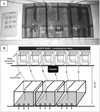 |
Fig. 1 Experimental set-up showing the (A) two-chambered maze aquaria with sandfish in the temporary acclimation cubicles as photographed by a night-vision camera, and (B) schematic illustration showing the location of header tanks, aquaria, and the position of the camera. |
2.5 Test odors
Predator and food odor solutions were freshly prepared at the start of each trial. On the day of the experiment, eight test predator crabs and eight fish were transferred separately into holding tanks (100 L) with filtered and UV-treated seawater, soaked for 6 h, and then returned to their holding tanks. The water in which these test predators were soaked was collected into the header tanks and labeled accordingly.
On the other hand, two food odor sources were used. One was periphyton mulch, prepared by scraping off the biofilm coating from nets used for nursery rearing of sandfish. Periphyton on nursery nets is known as a food source for sandfish juveniles (Sinsona and Juinio-Meñez, 2019; Gorospe et al., 2021). These nursery nets were conditioned in a seawater tank for >20 days under natural light, allowing sufficient biofilm to accumulate for collection. The periphyton material was scraped from the nets while the nets were immersed in filtered seawater in a clean 100 L tank. Large materials, such as macroalgae and other fouling organisms, were removed. The collected biofilm was further passed through a 90-µm sieve to remove other debris, yielding a homogeneous periphyton mulch suspension that could pass through the header tank's tube.
The other food odor source was a commercially prepared formulated feed, similar in composition to a post-larval shrimp feed (50% protein, 11% crude fat). This formulated diet is regularly used as supplemental feed for sandfish in the hatchery (Altamirano and Rodriguez, 2022). Approximately 100 g of feed was dissolved in 100 L seawater, filtered through a 90-µm sieve, and stored in the header tank.
For the conflicting odor treatment, 10 L of predator crab odor solution was mixed with 10 L of the formulated feed suspension to produce a 20 L mixture. All test odor solutions were homogenized by vigorous aeration prior to transfer into the respective header tanks.
In summary, the test odors were (1) predator odor from crabs, (2) predator odor from fish, (3) food odor from periphyton mulch, (4) food odor from formulated feed, (5) a combination of predator and food odor (conflicting odors), and (6) seawater only.
2.6 Experimental design
All experiments were conducted during the dark phase, between 1900 and 0100 H, corresponding to the peak period when sandfish juveniles naturally emerge from being buried and become more active (Altamirano et al., 2017). During the preparation, spot monitoring, and termination of every nighttime experiment, only a portable red-light lamp was used in order to minimize the effects of light on the behavior of the test animals. For continuous observation, a night vision camera that recorded real-time videos was used (TP-Link TAPO C100), mounted ∼65 cm above the aquaria (Fig. 1B). This provided an efficient and practical way of collecting and continuously recording behavioral data.
There was a total of seven experimental tests in this study (Tab. 1). Each experimental test compared a pair of test odors and was replicated in three trials at weekly intervals, using three aquaria per trial. This provided a total of nine unique observations per experimental test. In order to minimize potential location-based bias between chambers, the location of the header tank with test odors was shifted (i.e., from left to right chamber and vice versa) for all aquaria in every replicate trial.
Every trial started with a 20-min acclimatization phase for the sandfish juveniles when they were held in a temporary cubicle inside the respective aquarium, prior to the introduction of test odors. For “medium-sized” sandfish, four sandfish (16.67 ± 1.63 g) were placed in each aquarium, while six sandfish (4.04 ± 0.85 g) were placed in each aquarium for the “small-sized” group.
After the acclimatization phase, test odors were allowed to flow, and the temporary cubicles were removed for a 15-min response phase. Preference responses and locations of all sandfish juveniles were retrieved from the recorded videos at 2-min intervals, yielding seven monitoring points in every 15-min trial (e.g., at 3, 5, 7 min, and so on).
At the end of each trial, animals were transferred to a separate holding tank. Then, a new set of sandfish was selected from the pool of juveniles (respective of the size groups) for the subsequent trials. In order to prevent the accumulation of chemical signatures in the chambers, all aquaria were drained after each trial, thoroughly cleaned, disinfected, and refilled with filtered and UV-sterilized seawater before new test animals were added for the next trial.
Water parameters (DO, temperature, and salinity) were measured before each trial using a portable multiparameter meter (InSitu SmarTroll MP, USA).
Experimental tests conducted to assess the chemosensory ability of sandfish juveniles.
2.7 Data collection and analyses
Preference responses were assessed separately for small-sized and medium-sized sandfish using the 15-min point data. Every set of observations included the number of sandfish that moved to either of the test odor chambers or remained “stationary” (i.e., three possible preference responses as variables) in each of three aquaria across three replicate trials, resulting in nine unique sets of observations for each of the seven experimental tests. However, since it is difficult to be certain about the non-independence between the three possible preference responses as variables and because of the relatively limited number of individuals used in each aquarium, the nonparametric Friedman test was employed. This was a repeated-measures analyses using ranks among three possible responses for each of the experimental tests for the two size groups. Then, a post-hoc Wilcoxon-Nemenyi test was performed to identify significant differences for all pairwise comparisons. Analysis was performed using Microsoft Excel 2019 with the Real Statistics Resource Pack software add-in for Excel (Release 8.9.1), Copyright (2013–2023) Charles Zaiontz (www.real-statistics.com).
For data visualization, preference response data (i.e., counts of individual sandfish) were converted into percentages, and the mean ( ± SD) was calculated across nine observation sets per experimental test and presented as bar charts. Meanwhile, the other data on observations of preference responses collected at 2-min intervals were used in the regression analyses to examine the relationships between time and the mean percentage of sandfish that moved toward a test odor chamber. All figures and regression analyses with the coefficient of determination (R2) were generated using Microsoft Excel 2019.
3 Results
3.1 Water parameters
During the experiments, water parameters remained stable, with means and ranges being comparable across replicate trials. Mean water temperature was 27.65 ± 0.34°C (26.87–28.44°C), mean salinity was 32.60 ± 0.50 ppt (31.37–33.41 ppt), and mean dissolved oxygen recorded was 4.80 ± 0.43 ppm (3.91–5.72 ppm). There were no significant differences in water parameters among the tanks containing test odor solutions, holding tanks, and the seawater source (P > 0.05). Furthermore, all parameters remained within optimal levels for the rearing of tropical sea cucumbers, as indicated in previous studies (James et al., 1994; Giraspy and Ivy, 2005).
3.2 Effects of predator odor
A significant difference was observed in the preference responses of medium-sized sandfish when exposed to predator crab odor versus seawater (X2(2) = 9.25, P = 0.009). Significantly more (66.67%) medium-sized sandfish moved toward the seawater chamber than toward the predator crab odor chamber (16.68%) or remained stationary (16.68%) (Fig. 2A; P = 0.04 and P = 0.02, respectively). In the small-sized group, significant difference in preference responses were observed when they were exposed to predator crab odor vs seawater (X2(2) = 12.45, P = 0.001). Post hoc analysis showed that significantly more (66.67%) small-sized sandfish remained stationary than those moving toward the seawater chamber (18.52%) (P = 0.01) or toward the predator crab odor chamber (14.81%) (P = 0.009; Fig. 2B). In addition, more small-sized sandfish preferred the seawater chamber than the predator crab odor chamber, albeit the difference was not significant (P = 0.96).
On the other hand, a significant difference was observed among medium-sized sandfish when they were presented with predator fish odor versus seawater (X2(2) = 10.47, P = 0.005). Significantly more (55.56%) medium-sized sandfish preferred the seawater chamber than the fish odor chamber (11.11%) (Fig. 2C; P = 0.009). However, there was no significant difference among medium-sized sandfish that moved toward the fish odor chamber with those that remained stationary (33.33%) (P = 0.39). In contrast, the small-sized sandfish group had no significant difference in preference responses when exposed to predator fish odor versus seawater (X2(2) = 4.75, P = 0.09; Fig. 2D). Nevertheless, more (but not significant) small-sized sandfish preferred to remain stationary (48.15%) than either move toward the seawater chamber (27.78%) (P = 0.14) or the predator fish odor chamber (24.07%) (P = 0.22).
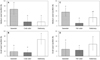 |
Fig. 2 Mean ( ± SD) preference responses of medium-sized sandfish (A) and small-sized sandfish (B) juveniles to seawater versus predator crab odor (n = 9), and preference responses of medium-sized sandfish (C) and small-sized sandfish (D) juveniles to seawater versus predator fish odor (n = 9). Different letter superscripts denote significant differences among behavioral responses at the 15-min point (Friedman with Wilcoxon–Nemenyi test, P < 0.05). |
3.3 Effects of food odor
A significant difference was observed in the preference responses of medium-sized sandfish when exposed to formulated feed versus seawater (X2(2) = 11.09, P = 0.003). Significantly more (58.33%) medium-sized sandfish moved toward the formulated feed chamber than remaining stationary (13.89%) (Fig. 3A; P = 0.006), but the proportion was not significantly different from that of sandfish that moved toward the seawater chamber (27.78%) (P = 0.14). Similarly, those that preferred seawater were not significantly different from those that remained stationary (P = 0.47). In small-sized sandfish, significant differences in the preference responses were also observed when exposed to formulated feed versus seawater (X2(2) = 12.45, P = 0.001). Significantly more (72.22%) small-sized sandfish remained stationary than moved to the seawater chamber (12.96%) (P = 0.009) or the formulated feed chamber (14.81%) (Fig. 3B; P = 0.01).
Meanwhile, a significant difference was observed in the preference response of medium-sized sandfish when exposed to periphyton odor versus seawater (X2(2) = 11.65, P = 0.002). Significantly more (55.56%) medium-sized sandfish moved to the periphyton odor chamber than remained stationary (11.11%) (Fig. 3C; P = 0.006). However, no significant difference was observed in the percentage of medium-sized sandfish that moved to the periphyton odor chamber or remained stationary compared with those that moved to the seawater chamber (Fig. 3C; P = 0.27 and P = 0.27, respectively). In small-sized sandfish, a significant difference in the responses was observed when they were exposed to periphyton odor versus seawater (X2(2) = 8.75, P = 0.01). Significantly more (55.56%) small-sized sandfish remained stationary than moved toward the periphyton odor chamber (22.22%) (Fig. 3D; P = 0.04). However, no significant difference was observed among small-sized sandfish that moved toward the periphyton odor chamber or remained stationary compared with those that moved toward the seawater chamber (Fig. 3D; P = 0.99 and P = 0.06, respectively).
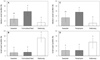 |
Fig. 3 Mean ( ± SD) responses of medium-sized sandfish (A) and small-sized sandfish (B) juveniles to seawater versus formulated feed odor (n = 9) and of medium-sized sandfish (C) and small-sized sandfish (D) juveniles to seawater versus periphyton odor (n = 9). Different letter superscripts denote significant differences among behavioral responses at the 15-min data point (Friedman with Wilcoxon–Nemenyi test, P < 0.05). |
3.4 Effects of conflicting odors (predator odor versus food odor versus mixed predator and food odors)
A significant difference was observed in the preference response of medium-sized sandfish when exposed to predator crab odor versus formulated feed (X2(2) = 12.06, P = 0.002). Significantly more (61.11%) medium-sized sandfish moved to the formulated feed chamber than remained stationary (25.00%) (P = 0.04) or moved toward the predator crab odor chamber (13.89%) (Fig. 4A; P = 0.009). However, no significant difference was observed between those moving toward the predator crab odor chamber and those remaining stationary (P = 0.82). In small-sized sandfish, no significant difference in the preference responses was observed when exposed to predator crab odor versus formulated feed (X2(2) = 2.00, P = 0.37; Fig. 4B). Nevertheless, more (48.15%) small-sized sandfish remained stationary than moved toward either the formulated feed chamber (27.78%) or the predator crab odor chamber (24.07%) (Fig. 4B; P = 0.68 and P = 0.39, respectively).
When exposed to predator fish odor versus periphyton odor, no significant difference was observed in the response of medium-sized sandfish (X2(2) = 6.27, P = 0.05). Nevertheless, more (50.00%) medium-sized sandfish moved toward the periphyton odor chamber than moved toward the predator fish odor chamber (27.78%) or remained stationary (22.22%) (Fig. 4C; P = 0.14 and P = 0.11, respectively). In contrast, the small-sized sandfish group showed significant differences in the preference responses when exposed to predator fish odor versus periphyton odor (X2(2) = 16.71, P = 0.000). Significantly more (62.96%) small-sized sandfish remained stationary than moved toward the periphyton odor chamber (22.22%) (P = 0.01) or the predator fish odor chamber (14.81%) (Fig. 4D; P = 0.000).
A significant difference was observed in the preference responses of medium-sized sandfish when exposed to predator crab odor + formulated feed versus seawater (X2(2) = 6.87, P = 0.03). Significantly more (44.44%) medium-sized sandfish moved toward the seawater chamber than remained stationary (16.67%) (Fig. 5A; P = 0.04). However, no significant differences were observed between medium-sized sandfish that either moved toward the seawater chamber or remained stationary and those that moved toward the predator crab odor + formulated feed chamber (Fig. 5A; P = 0.68 and P = 0.28, respectively). In contrast, no significant difference in the preference response of small-sized sandfish was observed when exposed to predator crab odor + formulated feed versus seawater (X2(2) = 5.85, P = 0.05; Fig. 5B). Nonetheless, more (50.00%) small-sized sandfish remained stationary than moved toward the seawater chamber (25.93%) (P = 0.22) or the predator crab odor + formulated feed chamber (24.07%) (P = 0.14).
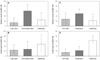 |
Fig. 4 Mean ( ± SD) responses of medium-sized sandfish (A) and small-sized sandfish (B) juveniles to predator crab odor versus formulated feed odor (n = 9) and of medium-sized sandfish (C) and small-sized sandfish (D) juveniles to predator fish odor versus periphyton odor (n = 9). Different letter superscripts denote significant differences among behavioral responses at the 15-min data point (Friedman with Wilcoxon–Nemenyi test, P < 0.05). |
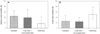 |
Fig. 5 Mean ( ± SD) preference responses of medium-sized sandfish (A) and small-sized sandfish (B) juveniles to seawater versus predator crab odor + formulated feed odor (n = 9). Different letter superscripts denote significant differences among behavioral responses at the 15-min data point (Friedman with Wilcoxon–Nemenyi test, P < 0.05). |
3.5 Size-dependent celerity of preference responses by sandfish juveniles
In general, medium-sized sandfish exhibited faster departure from the release point and demonstrated a preference for a test odor more rapidly than small-sized sandfish. Approximately 50% of medium-sized sandfish selected between test odors within 7–11 min, regardless of the test odor presented (Fig. 6). Meanwhile, 50% of the small-sized sandfish took at least 13 min or longer to make a choice.
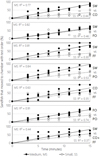 |
Fig. 6 Progression (at 2-min intervals) of the mean percentage of small-sized sandfish (hollow circles) and medium-sized sandfish (black circles) exhibiting a preference for a test odor in the seven experimental tests conducted. Regression lines and the determination coefficient R2 (at P < 0.01) are indicated. SW (seawater); CO (crab odor); FO (fish odor); FF (formulated feed); PO (periphyton odor). |
4 Discussion
The overexploitation of high-value sea cucumber stocks, particularly sandfish, has prompted the development of breeding technologies and release methods to support declining wild populations and to produce juveniles for stock enhancement and sea ranching. The effectiveness of these release efforts depends not only on the quantity of animals released but also on the quality of the juveniles and their ecological and behavioral characteristics. In sea cucumbers, chemosensory processes rely on odorant receptors located in sensory tissues such as the tentacles (Bouland et al., 1982), oral cavity, calcareous ring, and papillae (Winarni et al., 2023). Structural adaptations in these organs support their role in detecting environmental cues that trigger various behavioral responses. This study is the first to evaluate the preference response behavior of hatchery-bred sandfish juveniles to different test odors under laboratory conditions.
4.1 Smaller sandfish are more sensitive and cautious
The present study showed that both small- and medium-sized juvenile sandfish generally preferred to remain stationary within minutes of being presented with either predator or food odors, which may be a key strategy for assessing their environment for potential threats. Among the groups tested, however, the smaller and younger sandfish group tended to show a more pronounced preference for remaining stationary, likely due to heightened sensitivity and increased caution associated with limited ecological experience and ongoing sensory system maturation. This can be explained by similar observations in small sea cucumbers, which display heightened sensitivity to potential stressors such as handling stress and air exposure (Wang et al., 2008; Hou et al., 2019; Yang et al., 2022). Such heightened sensitivity, while lacking the ability to discriminate between a potential threat and potential food, may ultimately favor a conservative, risk-averse strategy of being stationary, consistent with the “better safe than sorry” approach. This stationary response can be viewed as an adaptive form of predator avoidance (Mercier et al., 1999) and may also confer energetic benefits during early developmental stages.
On the other hand, medium sandfish juveniles displayed greater responsiveness when they tended to be more quickly attracted toward food odors (whether of periphyton or formulated feed) and avoided predator odors (whether from a predator crab or fish). This suggests that rearing sandfish for longer periods in varied environments (e.g., nursery nets followed by tanks with sediments) may enhance their chemosensory abilities. Being attracted toward food was also demonstrated by the medium-sized (∼15 g) Japanese sea cucumber A. japonicus, showing diverse behavioral responses to food odors, like moving about and swinging actions (Zhao et al., 2023).
4.2 Ontogenetic development and predator avoidance
The ability to detect and identify potential predators from a distance is crucial for survival across species and has been extensively studied in wild and adult marine animals (Morishita and Barreto, 2011; Kenning et al., 2015; Kamio and Derby, 2017; Paul et al., 2018). In general, both small- and medium-sized sandfish juveniles exhibited an immediate response by remaining stationary. However, only the medium-sized group subsequently moved away from the potential threat, while the small-sized group remained stationary. This divergence in behavior can be attributed to ontogenetic shifts during development. Ontogenetic switches often lead to changes in sensory abilities, risk perception, and energy requirements across developmental stages (Ferrari et al., 2010). Gianasi et al. (2018) reported that juvenile C. frondosa undergo asynchronous growth patterns and exhibit morphological and behavioral changes as they age. Their study further revealed that it would take 16 months to develop all tentacles and 21 months to complete the podia. These body structures have already been described as olfactory receptors responsible for chemosensing in sea cucumbers. Medium sandfish, being further along the developmental trajectory, may possess an enhanced sensory system and cognitive functions that allow for more nuanced risk assessment and active avoidance when exposed to predators.
In contrast, small sandfish that are at earlier developmental stages may still lack a fully functional sensory system. They tend to remain stationary as a conservative approach, despite heightened vulnerability to predation. These ontogenetic differences in predator responses indicate that behavioral strategies in sandfish evolve with age and development, reflecting adaptations to changing ecological pressures across the life cycle.
Variables such as age, familiarity, and experience may influence decision-making, with older and more experienced individuals exhibiting faster and greater responsiveness. Meanwhile, younger and smaller individuals face higher predation risks and possess limited defensive options, leading to increased vigilance and caution, such as remaining stationary for extended periods. Given the critical nature of decision-making, particularly in predator avoidance, it is essential that energy resources be allocated judiciously, as this process involves trade-offs between perceived predation risk and the fulfillment of essential activities (Lima and Dill, 1990).
As a limitation, however, the present study only focused on sandfish preference responses in the presence or absence of food or predator odors. Because hatchery-bred sandfish inhabit protective but structurally complex microhabitats, the laboratory experiment in this study did not account for other confounding factors, such as social interactions and rearing habitat. Therefore, future research is recommended to investigate chemoreceptive responses in juvenile sandfish of varying size classes under uniform rearing conditions while accounting for stress levels, as well as to explore how experiences and environmental factors influence anti-predator and nutrition-seeking behaviors along ontogenetic development stages.
5 Conclusion
The behavioral responses of hatchery-bred juvenile sandfish to chemical odors are influenced by developmental stage. Younger and smaller sandfish (e.g., 4 months, 3–5 g in our study) tend to remain stationary and are generally less active at this age. Meanwhile, medium-sized and older (7 months, 15–20 g) sandfish are more responsive to both food and predator odors. Ontogenetic development enhances sensory capabilities and adaptive behaviors, enabling medium-sized sandfish to more effectively assess and respond to environmental risks. The pronounced sensitivity and cautious behavior observed in younger hatchery-bred sandfish, characterized by the behavior of remaining stationary, likely reflect size-dependent sensitivity and an adaptive avoidance strategy due to their heightened vulnerability and limited defense mechanisms. As such, further research aimed at a comprehensive understanding of their behavior in a controlled captive environment, in contrast to that of their wild counterparts, is warranted. Additionally, adjustments in management practices – such as conditioning or familiarization with diverse chemical cues – could significantly enhance the behavioral quality of hatchery-bred sandfish.
Acknowledgments
This study is part of MS thesis submitted to the University of the Philippines in the Visayas. The authors would like to thank the Office of the Vice Chancellor for Research and Extension (OVCRE), University of the Philippines Visayas; the Aquaculture Department of the Southeast Asian Fisheries Development Center (SEAFDEC/AQD) (Study Code FS-01-Y2019T); and the Australian Centre for International Agricultural Research (ACIAR) through the project FIS/2016/122 for the facilities and funds for conducting this study. We would also like to thank Sheena Grace Mantog, Nelbert Pacardo, and the Sandfish Team of SEAFDEC/AQD for their assistance during the conduct of this experiment.
Data availability statement
Data is available upon request.
Conflicts of interest
The authors declare that they have no conflicts of interest in relation to this article.
References
- Agudo NN. Sandfish Hatchery Techniques, Australian Centre for International Agricultural Research, Canberra, 2006. [Google Scholar]
- Altamirano JP, Recente CP, Rodriguez JC Jr. 2017. Substrate preference for burying and feeding of sandfish Holothuria scabra juveniles. Fish Res 186: 514–523. [Google Scholar]
- Altamirano JP, Noran-Baylon RD. 2020. Nursery culture of sandfish Holothuria scabra in sea-based floating hapa nets: effects of initial stocking density, size grading and net replacement frequency. Aquaculture 526: 735379. [Google Scholar]
- Altamirano JP, Rodriguez JC Jr. Hatchery production of sea cucumbers (sandfish Holothuria scabra), Southeast Asian Fisheries Development Center Aquaculture Department, Tigbauan, Iloilo, 2022. [Google Scholar]
- Battaglene SC. 1999. Culture of tropical sea cucumbers for stock restoration and enhancement. Naga 22: 4–11. [Google Scholar]
- Bouland C, Massin C, Jangoux M. 1982. The fine structure of the buccal tentacles of Holothuria forskali (Echinodermata, Holothuroidea). Zoomorphology 101: 133–149. [Google Scholar]
- Brown C, Day RL. 2002. The future of stock enhancements: lessons for hatchery practice from conservation biology. Fish Fish 3: 79–94. [Google Scholar]
- Campbell AC, Coppard S, D'Abréo C, Tudor-Thomas R. 2001. Escape and aggregation responses of three echinoderms to conspecific stimuli. Biol Bull 201: 175–185. [Google Scholar]
- Ceccarelli DM, Logan M, Purcell SW. 2018. Analysis of optimal habitat for captive release of the sea cucumber Holothuria scabra. Mar Ecol Prog Ser 588: 85–100. [Google Scholar]
- Conand C. 1993. A review of recent developments in the world sea cucumber fisheries. Mar Fish Rev 55: 1–13. [Google Scholar]
- Conand C. Present status of world sea cucumber resources and utilization: an international overview, in: Advances in sea cucumber aquaculture and management, FAO Fisheries and Aquaculture Technical Paper, Food and Agriculture Organization, Rome, 2004, pp. 13–23. [Google Scholar]
- Dalesman S, Rundle SD, Coleman RA, Cotton PA. 2006. Cue association and antipredator behaviour in a pulmonate snail, Lymnaea stagnalis. Anim Behav 71: 789–797. [Google Scholar]
- Dance SK, Lane I, Bell JD. 2003. Variation in short-term survival of cultured sandfish (Holothuria scabra) released in mangrove–seagrass and coral reef flat habitats. Aquaculture 220: 495–505. [Google Scholar]
- Delgado GA, Glazer RA, Stewart NJ. 2002. Predator-induced behavioral and morphological plasticity in the tropical marine gastropod Strombus gigas. Biol Bull 203: 112–120. [Google Scholar]
- Eeckhaut I, Fevrier J, Todinanahary G, Delroisse J. 2020. Impact of Thalamita crenata predation on Holothuria scabra juvenile survival in sea farming pens. SPC Beche-de-mer Inf Bull 40: 11–16. [Google Scholar]
- Epp KJ, Gabor CR. 2008. Innate and learned predator recognition mediated by chemical signals in Eurycea nana. Ethology 114: 607–615. [Google Scholar]
- Ferrari MCO, Wisenden BD, Chivers DP. 2010. Chemical ecology of predator–prey interactions in aquatic ecosystems: a review and prospectus. Can J Zool 88: 698–724. [Google Scholar]
- Gianasi BL, Hamel JF, Mercier A. 2018. Morphometric and behavioural changes in early life stages of Cucumaria frondosa. Aquaculture 490: 5–18. [Google Scholar]
- Giraspy DAB, Ivy G. 2005. Australia’s first commercial sea cucumber culture and sea ranching poject in Hervey Bay, Queensland, Australia. SPC Beche-de-mer Inf Bull 21: 29–31 [Google Scholar]
- Gorospe JRC, Juinio-Meñez MA, Southgate PC. 2021. Influence of intra- and interspecific competition on periphyton biomass and growth of Holothuria scabra. Bull Mar Sci 97: 631–646. [Google Scholar]
- Hair C, Militz T, Daniels N, Southgate PC. 2020. Comparison of survival, growth and burying behavior of cultured and wild sandfish (Holothuria scabra). Aquaculture 526: 735355. [Google Scholar]
- Hamel JF, Jobson S, Caulier G, Mercier A. 2021. Evidence of anticipatory immune and hormonal responses to predation risk in an echinoderm. Sci Rep 11: 10691. [Google Scholar]
- Hay ME. 2009. Marine chemical ecology: chemical signals and cues structure marine populations, communities, and ecosystems. Annu Rev Mar Sci 1: 193–212. [Google Scholar]
- Hou S, Jin Z, Jiang W, Chi L, Xia B, Chen J. 2019. Physiological and immunological responses of sea cucumber Apostichopus japonicus during desiccation. PeerJ 7: e7427. [Google Scholar]
- James DB, Gandhi AD, Palaniswamy N, Rodrigo JX. 1994. Hatchery Techniques and Culture of the Sea-cucumber Holothuria scabra. CMFRI Spec Publ 57: 1–40. [Google Scholar]
- Johnson EC, Sullivan AM. 2014. Antipredator behavior in Desmognathus ochrophaeus. Ethology 120: 672–680. [Google Scholar]
- Jontila JBS, Monteclaro HM, Quinitio GF, Santander-de Leon SM, Altamirano JP. 2018. Status of sea cucumber fishery and populations in Palawan, Philippines. Ocean Coast Manag 165: 225–234. [Google Scholar]
- Jurcak AM, Moore PA. 2014. Behavioral decisions in sensory landscapes: crayfish use chemical signals. J Crustac Biol 34: 559–564. [Google Scholar]
- Kamio M, Derby CD. 2017. Finding food: chemical cues in marine invertebrates. Nat Prod Rep 34: 1–16. [Google Scholar]
- Kenning M, Lehmann P, Lindstrom M, Harzsch S. 2015. Y-maze chemical assays in crustaceans. Helgol Mar Res 69: 305–311. [Google Scholar]
- Lavitra T, Rasolofonirina R, Jangoux M, Eeckhaut I. 2009. Problems in farming Holothuria scabra. SPC Beche-de-mer Inf Bull 29: 20–30. [Google Scholar]
- Lavitra T, Tsiresy G, Rasolofonirina R, Eeckhaut I. 2015. Effect of nurseries and size of released juveniles of Holothuria scabra. SPC Beche-de-mer Inf Bull 35: 37–41. [Google Scholar]
- Le Vay L, Carvalho GR, Quinitio ET, Lebata JH, Ut VN, Fushimi H. 2007. Quality of hatchery-reared juveniles for marine fisheries stock enhancement. Aquaculture 268: 169–180. [Google Scholar]
- Ledesma ABB, Monteclaro HM. 2018. Odor-mediated behavioral responses of Portunus pelagicus. Philipp J Sci 147: 221–229. [Google Scholar]
- Lima SL, Dill LM. 1990. Behavioral decisions under predation risk: a review. Can J Zool 68: 619–640. [Google Scholar]
- Marquet N, Cardoso JCR, Louro B, Fernandes SA, Silva SC, Canário AVM. 2020. Reduced odorant receptor repertoire in holothurians. Sci Rep 10: 3348. [Google Scholar]
- Marquet N, Hubbard PC, da Silva JP, Afonso J, Canário AVM. 2018. Chemical cues mediate aggregation and spawning in sea cucumbers. Sci Rep 8: 238. [Google Scholar]
- Mathis A, Murray KL, Hickman CR. 2003. Predator kairomone responses in larval salamanders. Ethology 109: 159–170. [Google Scholar]
- Mercier A, Battaglene SC, Hamel JF. 1999. Daily burrowing cycle of Holothuria scabra. J Exp Mar Biol Ecol 239: 125–156. [Google Scholar]
- Mercier A, Battaglene SC, Hamel JF. 2000. Settlement and migration in Holothuria scabra. J Exp Mar Biol Ecol 249: 89–110. [Google Scholar]
- Mezrai N, Arduini L, Dickel L, Chiao C, Darmaillacq A. 2018. Awareness of danger inside the egg? Evidence of innate and learned predator recognition in cuttlefish embryo. Learning & Behavior, 48: 401–410. [Google Scholar]
- Monteclaro HM, Anraku K, Matsuoka T. 2010. Crayfish antennule response to hydrodynamic stimuli. J Exp Biol 213: 3683–3691. [Google Scholar]
- Moore P, Crimaldi J. 2004. Odor landscapes and animal behavior. J Mar Sys 49: 55–64. [Google Scholar]
- Morishita VR, Barreto RE. 2011. Sea urchin evaluation of predation risk. Mar Ecol Prog Ser 435: 173–181. [Google Scholar]
- Pagès JF, Bartumeus F, Romero J, Alcoverro T. 2021. Predator scent effects on sea urchins. Mov Ecol 9: 50. [Google Scholar]
- Paul N, Novais SC, Lemos MFL, Kunzmann A. 2018. Predator cues induce metabolic suppression in goby. PLOS One 13: e0209286. [Google Scholar]
- Purcell S. Criteria for release strategies and evaluating the restocking of sea cucumbers, in: Advances in sea cucumber aquaculture and management, FAO Fish Tech Paper, Food and Agriculture Organization, Rome, 2004, pp. 181–191. [Google Scholar]
- Purcell SW. Managing sea cucumber fisheries with an ecosystem approach, in: Lovatelli A, Vasconcellos M, Yimin Y (Eds.), FAO Fisheries and Aquaculture Technical Paper No. 520, Food and Agriculture Organization, Rome, 2010, p. 157. [Google Scholar]
- Purcell SW, Hair CA, Mills DJ. 2012. Sea cucumber culture and farming. Aquaculture 368–369: 68–81. [CrossRef] [Google Scholar]
- Rodriguez SR, Ojeda FP. 1998. Behavioral responses of sea urchins. Mar Fresh Behav Physiol 31: 21–37. [Google Scholar]
- Sinsona MJ, Juinio-Meñez MA. 2019. Periphyton influence on growth of Holothuria scabra. Aquac Res 50: 2655–2665. [Google Scholar]
- Tomba AM, Keller TA, Moore PA. 2001. Foraging in odor landscapes. J N Am Benthol Soc 20: 211–222. [Google Scholar]
- Wang F, Yang H, Liu G. 2008. Effects of acute temperature or salinity stress on the immune response in sea cucumber, Apostichopus japonicus. Comp Biochem Physiol A Mol Integr Physiol 151: 491–498. [Google Scholar]
- Winarni D, Eridianti SA, Suhargo L, Khaleyla F, Wirawati I. 2023. Podia histology and ultrastructure of tropical sea cucumber, Phyllophorus sp. (Phyllophoridae) and Colochirus quadrangularis (Cucumaridae) from Madura Strait, Indonesia. Biodiversitas 24: 5685–5691. [Google Scholar]
- Wolkenhauer SM. 2008. Burying and feeding activity of adult Holothuria scabra (Echinodermata Holothuroidea) in a controlled environment. SPC Beche-de-mer Inf Bull 27: 25–28. [Google Scholar]
- Yamaguchi M, Masuda R, Yamashita Y. 2016. Diel activity of the sea cucumber Apostichopus japonicus is affected by the time of feeding and the presence of predators but not by time–place learning. Fish Sci 82: 29–34. [Google Scholar]
- Yang M, Li X, Hu F, Ning Y, Tian R, Ding P, et al. 2022. Effects of handling stresses on fitness related behaviors of small sea cucumbers Apostichopus japonicus: new insights into seed production. Aquaculture 546: 737321. [Google Scholar]
- Zhao Z, Sun J, Yu Y, Ding P, Ding J, Chang Y, Zhao C. 2023. Swing regulates movement direction in the sea cucumber Apostichopus japonicus in the presence of food cue: new insights into movement patterns. Animals 13: 3388. [Google Scholar]
Cite this article as: Noran-Baylon RD, Altamirano JP, Santander-de Leon SMS, Gamboa RU, Monteclaro HM. 2026. Are hatchery-bred sandfish Holothuria scabra juveniles perceptive to potential food and predation?. Aquat. Living Resour. 39: 19. https://doi.org/10.1051/alr/2026012
All Tables
Experimental tests conducted to assess the chemosensory ability of sandfish juveniles.
All Figures
|
Fig. 1 Experimental set-up showing the (A) two-chambered maze aquaria with sandfish in the temporary acclimation cubicles as photographed by a night-vision camera, and (B) schematic illustration showing the location of header tanks, aquaria, and the position of the camera. |
| In the text | |
|
Fig. 2 Mean ( ± SD) preference responses of medium-sized sandfish (A) and small-sized sandfish (B) juveniles to seawater versus predator crab odor (n = 9), and preference responses of medium-sized sandfish (C) and small-sized sandfish (D) juveniles to seawater versus predator fish odor (n = 9). Different letter superscripts denote significant differences among behavioral responses at the 15-min point (Friedman with Wilcoxon–Nemenyi test, P < 0.05). |
| In the text | |
|
Fig. 3 Mean ( ± SD) responses of medium-sized sandfish (A) and small-sized sandfish (B) juveniles to seawater versus formulated feed odor (n = 9) and of medium-sized sandfish (C) and small-sized sandfish (D) juveniles to seawater versus periphyton odor (n = 9). Different letter superscripts denote significant differences among behavioral responses at the 15-min data point (Friedman with Wilcoxon–Nemenyi test, P < 0.05). |
| In the text | |
|
Fig. 4 Mean ( ± SD) responses of medium-sized sandfish (A) and small-sized sandfish (B) juveniles to predator crab odor versus formulated feed odor (n = 9) and of medium-sized sandfish (C) and small-sized sandfish (D) juveniles to predator fish odor versus periphyton odor (n = 9). Different letter superscripts denote significant differences among behavioral responses at the 15-min data point (Friedman with Wilcoxon–Nemenyi test, P < 0.05). |
| In the text | |
|
Fig. 5 Mean ( ± SD) preference responses of medium-sized sandfish (A) and small-sized sandfish (B) juveniles to seawater versus predator crab odor + formulated feed odor (n = 9). Different letter superscripts denote significant differences among behavioral responses at the 15-min data point (Friedman with Wilcoxon–Nemenyi test, P < 0.05). |
| In the text | |
|
Fig. 6 Progression (at 2-min intervals) of the mean percentage of small-sized sandfish (hollow circles) and medium-sized sandfish (black circles) exhibiting a preference for a test odor in the seven experimental tests conducted. Regression lines and the determination coefficient R2 (at P < 0.01) are indicated. SW (seawater); CO (crab odor); FO (fish odor); FF (formulated feed); PO (periphyton odor). |
| In the text | |
Current usage metrics show cumulative count of Article Views (full-text article views including HTML views, PDF and ePub downloads, according to the available data) and Abstracts Views on Vision4Press platform.
Data correspond to usage on the plateform after 2015. The current usage metrics is available 48-96 hours after online publication and is updated daily on week days.
Initial download of the metrics may take a while.